
Cotula hemisphaerica
Cotula hemisphaerica
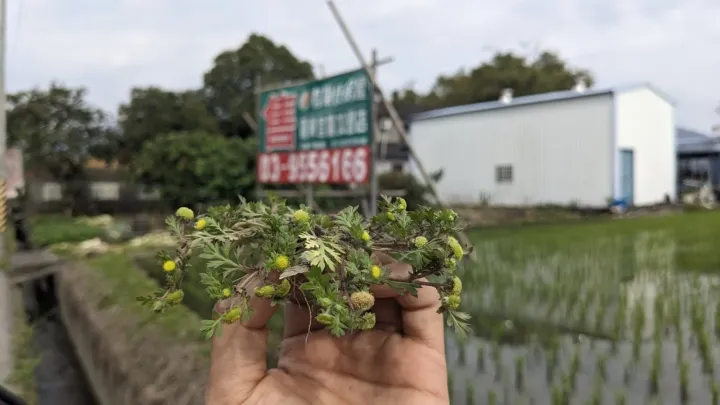
Description
Sowing dates
Sowing of Cotula hemisphaerica is best performed in the spring when soil temperatures reach stable levels. It is highly recommended to start seeds in controlled indoor conditions to ensure uniform germination and plant vigor.
Seeds require light for optimal germination; therefore, they should be scattered on the surface of the growing medium rather than buried. Maintaining constant humidity is essential until the seedlings are firmly established.
Transplanting to the final location should be done after the danger of frost has passed, typically when the seedlings have developed a robust root system. Spacing should be approximately 20 centimeters to allow for natural spread.
Direct sowing into the ground is possible in warmer climates, provided that the soil is fine-textured and free of weeds. Frequent irrigation is necessary during the initial establishment phase to prevent drying out.
Hardening off the seedlings is a critical step before moving them outdoors, involving a gradual acclimatization period of at least one week to reduce transplant stress.
Growing requirements
As a member of the Asteraceae family, Cotula hemisphaerica thrives in full sun but benefits from light shade during the hottest parts of the day to prevent leaf scorch in specific environments.
The crop requires well-drained, fertile soil. If the soil is too compact, adding organic matter or sand will significantly improve the drainage capacity, which is crucial for preventing root suffocation.
Irrigation should be consistent, aiming for a balance where the soil remains moist but never waterlogged. Monitoring rainfall and local evaporation rates is essential for maintaining a healthy growth pace.
Fertilization with a balanced, slow-release fertilizer is beneficial during the early stages of the growing season, helping to promote dense growth and vibrant foliage color throughout the summer.
Maintenance tasks include occasional weeding around the young plants and light pruning to encourage bushier growth and rejuvenate older plantings that may have become thin over time.
Main diseases and pests
Slugs and snails are the most frequent pests associated with this culture, particularly in wet and cool weather conditions. Physical barriers or organic molluscicides are recommended for effective management.
Fungal pathogens such as powdery mildew may develop if there is insufficient air circulation around the plants. Proper spacing and avoiding overhead irrigation during humid weather can mitigate these risks.
Root rot is often associated with poor drainage or overwatering. Addressing soil compaction and ensuring the substrate allows for quick water runoff are fundamental to preventing this type of damage.
Aphids can occasionally infest the new growth, causing curling and yellowing. Regular inspection and the application of insecticidal soap are typically sufficient to keep populations under control.
Maintaining a clean cultivation area by removing plant debris helps in reducing the overwintering sites for various pests and fungal spores, promoting a healthier environment for the crop.