
Cotula hispida
Cotula hispida
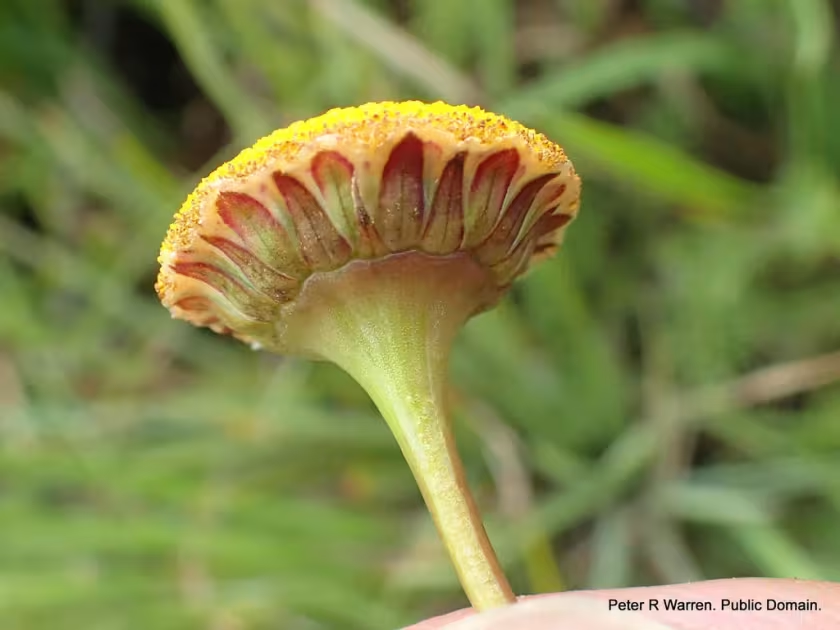
Description
Growing requirements
Cotula hispida, belonging to the Asteraceae family, is a perennial groundcover plant native to the rocky and sandy regions of South Africa. It is widely recognized for its aesthetic value in xeriscaping and rock gardens due to its unique appearance.
The plant is distinguished by its finely divided, feathery foliage which exhibits a beautiful silvery-gray or bluish hue. Its creeping growth habit allows it to spread along the ground, creating a dense mat that is highly effective for soil stabilization.
Optimal growth requires full sun exposure to ensure the foliage maintains its compact form and distinct coloration. Insufficient sunlight will cause the plant to lose its density, leading to a leggy and unattractive appearance.
The ideal growing medium for Cotula hispida is sandy, well-draining soil. It is highly intolerant of waterlogged conditions, which can lead to root rot. Good drainage is the most critical factor for successfully maintaining this species over several seasons.
Regarding general maintenance, the plant is relatively low-needs once established. It possesses good drought tolerance, although it benefits from occasional irrigation during prolonged dry spells to prevent excessive leaf yellowing or stunted growth.
Main diseases and pests
The most significant threats to Cotula hispida are root-related diseases resulting from poor drainage or excessive soil moisture. Preventative measures include using a gravelly or sandy substrate and avoiding overhead watering that keeps the foliage wet for too long.
In certain environments, slugs and snails may pose a threat to the succulent-like foliage, particularly during the early stages of establishment. Regular monitoring of the garden bed and keeping the area free of excess organic debris can help mitigate these pests.