
Spotted gum
Corymbia variegata
Description
Growing requirements
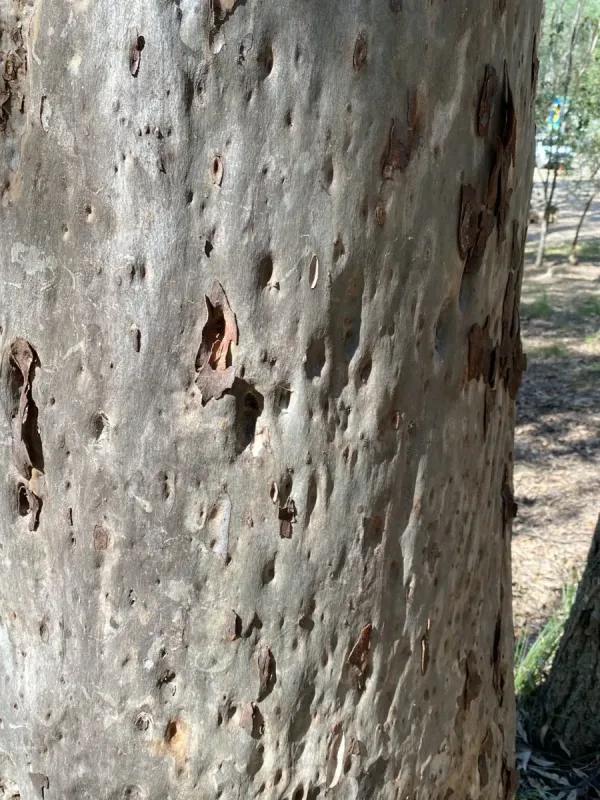
Corymbia variegata, commonly known as spotted gum, is a prominent tree species within the Myrtaceae family, highly valued for its exceptional strength and aesthetic appeal. The tree is characterized by its smooth, mottled bark which is shed in patches, giving it a distinctive appearance.
Native to the eastern coastal regions of Australia, this species thrives in subtropical climates. It is best suited to deep, well-drained loamy soils but demonstrates remarkable versatility by performing well in various soil profiles, including clay-loams and some rocky substrates.
Successful cultivation requires high levels of solar radiation and moderate temperatures, as the tree is sensitive to severe frost. In commercial plantations, ensuring proper plant spacing is essential to minimize competition for nutrients and water, which ultimately determines the quality of the harvestable timber.
Agrotechnical practices involve careful site selection and the implementation of nutrient management programs during the early establishment phase. While relatively drought-tolerant once mature, young seedlings require supplemental irrigation to achieve optimal growth rates and uniform canopy development.
Economically, spotted gum is primarily cultivated for its high-density timber, which is extensively utilized in structural engineering, heavy-duty flooring, and exterior landscaping. Furthermore, its flowers are a significant source of high-quality nectar for apiculture, and the foliage is harvested for essential oil extraction.
Main diseases and pests
The primary pathological threats include fungal leaf spots and stem rots which can be detrimental in humid, stagnant air environments. Maintaining appropriate tree spacing and promoting air circulation are standard preventive strategies in commercial operations.
Insects such as wood-boring beetles and certain leaf-feeding larvae pose the most significant pest pressure. Effective management often involves integrated pest control methods, focusing on biological monitoring and maintaining overall tree vigor through balanced fertilization.