
Corymbia intermedia
Corymbia intermedia
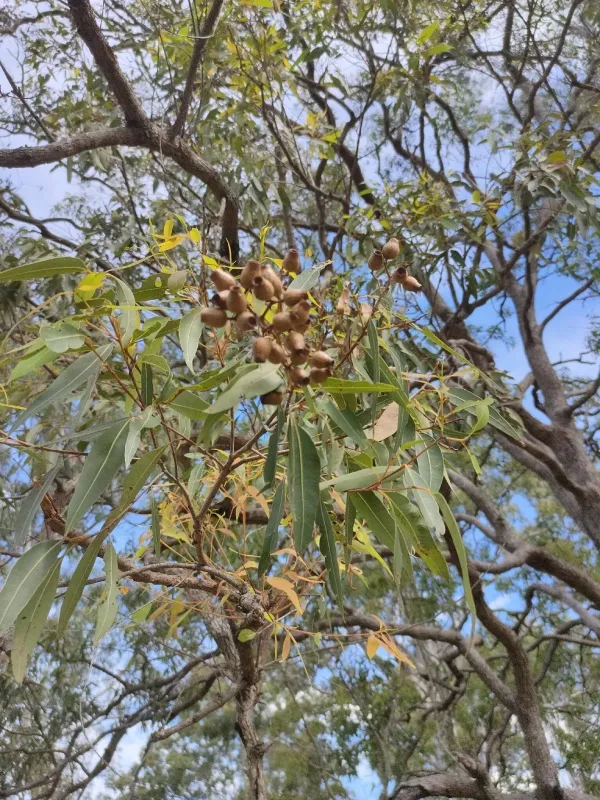
Description
Sowing dates
Propagation of Corymbia intermedia is primarily achieved through seed sowing in specialized nursery beds or containers. The seeds require a well-draining substrate, typically a mixture of coarse sand and peat, to ensure adequate aeration for germinating embryos.
Optimal germination occurs at temperatures between 20°C and 25°C. Keeping the moisture level consistent is crucial during the initial stages, as the seeds are sensitive to both drought and waterlogging during the emergence phase.
Seedlings should be transplanted into larger pots once they develop two pairs of true leaves. This step allows the root system to strengthen before the tree is subjected to the environmental stresses of an outdoor plantation.
Field planting is ideally performed during the onset of the wet season, which provides the necessary hydrological support for the young trees to establish deep root systems before the onset of the dry season.
Direct seeding in the field is possible in high-quality restoration projects, but it requires careful weed control in the surrounding area to ensure the young seedlings do not succumb to nutrient competition from invasive grasses.
Growing requirements
Corymbia intermedia, a member of the Myrtaceae family, is a medium-sized evergreen tree native to the coastal regions of eastern Australia. It thrives in humid subtropical environments but demonstrates significant resilience to temporary water scarcity.
The species prefers well-drained, sandy, or loamy soils. It is highly intolerant of swampy or permanently saturated ground, which leads to root suffocation and increased susceptibility to soil-borne fungal pathogens.
Regarding light, this tree is a sun-loving species. It requires full exposure to solar radiation to maintain a dense canopy and vigorous growth. In low-light conditions, the tree tends to develop sparse foliage and weak, elongated branches.
Temperature-wise, it is adapted to mild climates and does not tolerate severe, prolonged frosts. The species is ideal for coastal areas where the marine influence moderates extreme temperature fluctuations.
Proper silvicultural management involves periodic pruning of the lower trunk to encourage a straight stem, which is vital for the eventual timber quality if the tree is grown for wood production purposes.
Yield
The economic value of Corymbia intermedia is primarily derived from its high-quality, dense, and durable timber. This wood is highly valued for construction, flooring, and specialized tool handles due to its natural resistance to termite infestation.
Beyond timber, the tree plays a critical role in ecological services, including erosion control on slopes and the creation of windbreaks. Its robust root system effectively stabilizes fragile soil structures in coastal landscapes.
Apiculture is another significant sector for this species. It is considered a productive nectar source, supporting local honey production that is characterized by a unique and appealing floral profile.
The species is also increasingly utilized in urban landscaping as a shade tree. Its aesthetic value, combined with its ability to adapt to degraded urban soils, makes it a popular choice for municipal greening initiatives.
Biomass recovery from sanitation thinning operations provides a secondary revenue stream, as the wood residues are excellent for local energy production and high-grade charcoal manufacturing.
Main diseases and pests
The primary biotic threats to Corymbia intermedia include various leaf-eating insects and gall-forming pests. While healthy mature trees can tolerate moderate herbivory, severe infestations can lead to premature leaf drop and stunted growth.
Root rot, particularly species of Phytophthora, is a significant danger in areas with poor drainage. Once infected, the root system loses its ability to absorb water, leading to rapid tree decline.
Mistletoe infestation represents another common threat. These parasitic plants compete directly with the tree for water and mineral nutrients, eventually causing local branch necrosis and structural weakness if not removed.
Changes in soil chemistry, often resulting from agricultural runoff, can affect the mycorrhizal associations essential for the tree’s nutrient uptake, leading to reduced vigor and increased sensitivity to environmental stresses.
Management strategies should focus on maintaining tree vigor through adequate spacing to improve airflow, which prevents the buildup of humidity-dependent fungal pathogens and insect pest populations.