
Corymbia confertiflora
Corymbia confertiflora
Description
Growing requirements
Corymbia confertiflora is a hardy tree species belonging to the Myrtaceae family. Originally native to northern Australia, it is widely adapted to savanna environments characterized by distinct seasonal rainfall patterns and high temperatures throughout the year.
The species demonstrates excellent resilience in poor, rocky, and sandy soil profiles. It requires well-drained ground to prevent root diseases, which are the most common cause of failure in agricultural cultivation of this species.
Climate requirements include high solar radiation and a tropical climate free from frost. Temperatures must remain warm consistently, as the tree lacks mechanisms to protect its vascular system against freezing conditions.
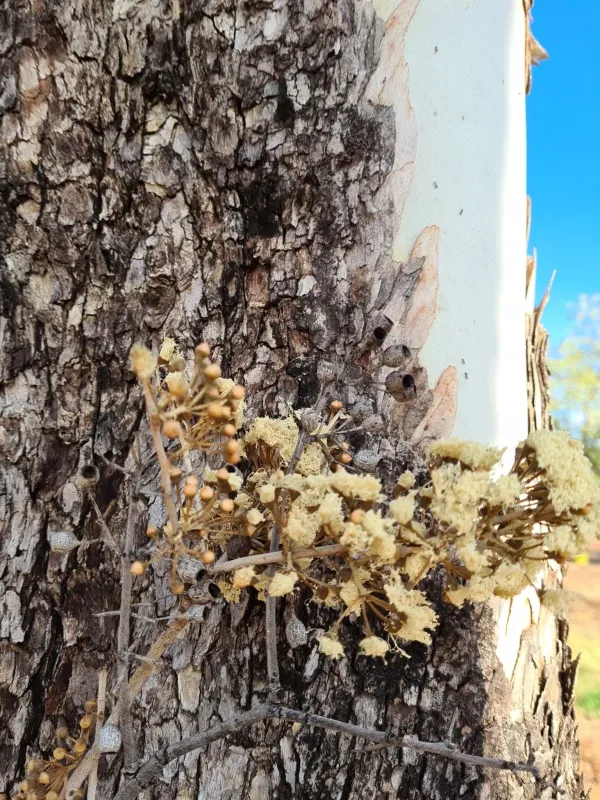
From a botanical standpoint, the tree reaches a medium height and displays dense clusters of flowers, which are highly attractive to local pollinators. Its morphological adaptation allows it to endure long periods of drought, effectively entering a state of semi-dormancy.
In terms of agricultural use, this tree is primarily utilized for reforestation projects in degraded landscapes and as a nectar source for apiculture. Its timber is also used in regional construction where durability against termites is prioritized.
Main diseases and pests
Root rot caused by fungal pathogens in waterlogged soils is the primary threat to the health of these trees. Proper site selection and drainage engineering are essential agronomic practices for long-term survival.
Pests such as wood-boring beetles can significantly impact the trunk integrity of older specimens. Integrated pest management strategies are often necessary to maintain the health of plantations over long cycles.
Fungal infections of the foliage can occur during humid seasons with poor airflow. Maintaining appropriate spacing between trees is essential to ensure natural ventilation and minimize the humidity buildup within the canopy.
Termite infestations represent a constant threat in tropical zones. Farmers are advised to use resistant cultivars or apply non-toxic barriers around the base of the trees during their establishment phase.
Uncontrolled wildfires are a major risk factor. While the trees exhibit some fire-adapted characteristics, intense fire events can stunt growth or kill juvenile plants, necessitating effective firebreak management.