
Corymbia hybrids
Corymbia hybrids
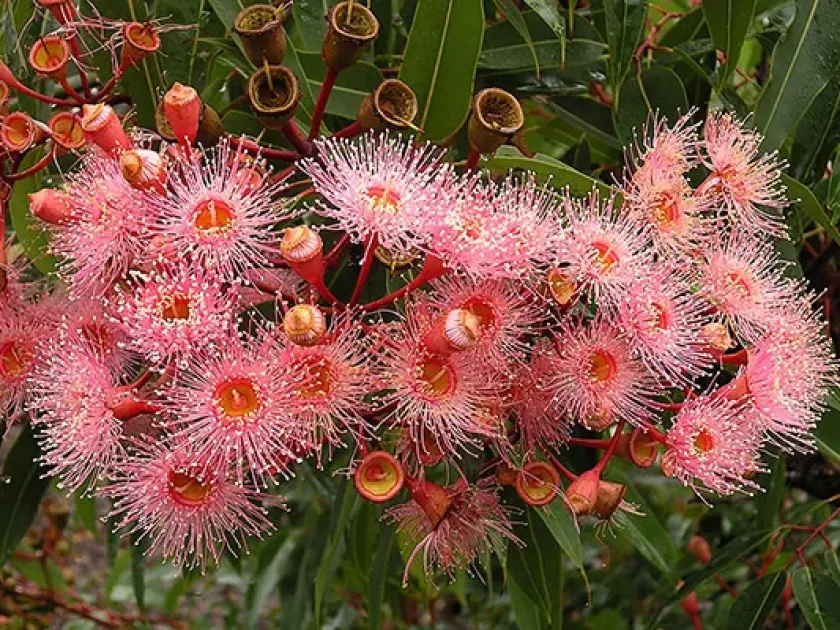
Description
Growing requirements
Corymbia hybrids belong to the family Myrtaceae and are recognized for their rapid growth and adaptability to various tropical and subtropical environments. These hybrids are specifically bred for superior wood quality and volume increment in plantation forestry.
Successful cultivation depends on deep, well-drained soils and a climate that avoids severe freezing temperatures. These trees thrive in areas with high annual rainfall, though they can exhibit some tolerance to seasonal dry periods once established.
The agronomic management of Corymbia involves intensive site preparation to ensure deep root penetration. Regular weed control during the establishment phase is essential to reduce competition for nutrients and water, allowing the young trees to maximize their growth potential.
Adequate sunlight is a critical requirement for these light-demanding trees. Plantation spacing must be optimized to allow for sufficient air circulation and light penetration, which are vital for maintaining tree health and vigor across the entire stand.
The primary utility of these hybrids lies in their high-density wood, used extensively for structural timber, furniture, and paper pulp. Beyond timber production, they are used for carbon sequestration and reforestation initiatives in degraded landscapes.
Main diseases and pests
Corymbia plantations face several biological threats, with fungal pathogens being the most prominent. Leaf spots and rust diseases, such as those caused by Mycosphaerella species, can significantly reduce photosynthetic capacity if not managed effectively.
Insect pests, including various defoliators and wood-boring beetles, pose a recurring challenge. Outbreaks can result in reduced tree vitality, stem deformation, and significant losses in the final economic value of the timber produced in the plantation.
Environmental stress, particularly prolonged drought or waterlogging, often exacerbates susceptibility to secondary pathogens. Site selection and matching the hybrid to the specific microclimate are fundamental strategies for mitigating these risks naturally.
Management practices often involve monitoring for early signs of infestation and applying silvicultural interventions. Pruning and thinning help maintain tree health by removing symptomatic branches and ensuring the stand is not overcrowded.
Integrated pest management strategies are increasingly used to protect plantations while minimizing chemical footprint. Utilizing genetically improved, resistant hybrid clones remains the most sustainable approach to long-term disease management in forestry.