
Corymbia calophylla
Corymbia calophylla
Description
Growing requirements
Corymbia calophylla, commonly known as the Marri tree, is a prominent species within the Myrtaceae family. Native to the southwestern regions of Western Australia, this large evergreen tree is highly valued for both its ecological role and its high-quality timber.
The species thrives in Mediterranean-type climates, preferring areas with moderate rainfall and mild winters. It exhibits versatility regarding soil types, performing best in deep, well-drained loams or sandy soils, which are typical of its natural forest habitats.
For successful cultivation, the tree requires full sun exposure and protection from severe frost. While established specimens are drought-tolerant, supplemental irrigation during the seedling and sapling stages is essential to ensure robust root establishment and consistent vertical growth.
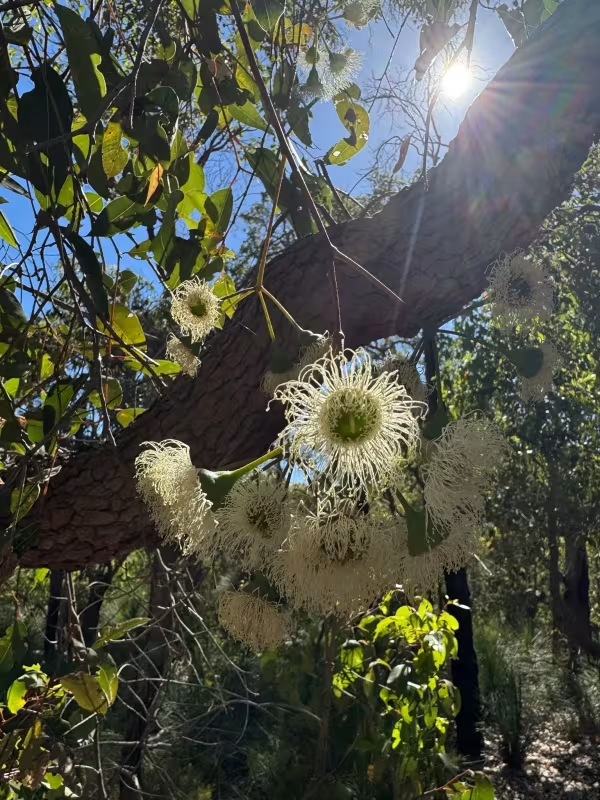
Botanically, Corymbia calophylla is distinguished by its large, rough-barked trunk and dense canopy of glossy green leaves. It produces abundant white to creamy flowers that serve as a crucial food source for nectar-feeding birds and native pollinators.
Economically, the species is utilized in forestry for its durable timber, which is widely used in furniture making, flooring, and interior joinery. Additionally, it is frequently planted in large-scale landscaping projects for its impressive visual impact and shade provision.
Main diseases and pests
The most significant threat to the health of Corymbia calophylla is the soil-borne pathogen Phytophthora cinnamomi, commonly known as dieback, which infects the roots and restricts water uptake, often proving fatal.
In addition to pathogens, the tree can be affected by various wood-boring insects. Larvae of these insects can compromise structural integrity and significantly reduce the commercial value of the timber if left unmanaged.
Fungal infections of the foliage and shoots can occur in densely planted stands with poor air circulation, necessitating regular canopy maintenance and sanitation measures to prevent disease spread.
Environmental stress, such as extreme waterlogging, can trigger root rot and increase susceptibility to secondary infections by opportunist fungi and bacteria.
Integrated pest management (IPM) strategies, including careful selection of planting sites and quarantine procedures for imported nursery stock, are critical for maintaining healthy plantations.