
Corymbia torelliana
Corymbia torelliana
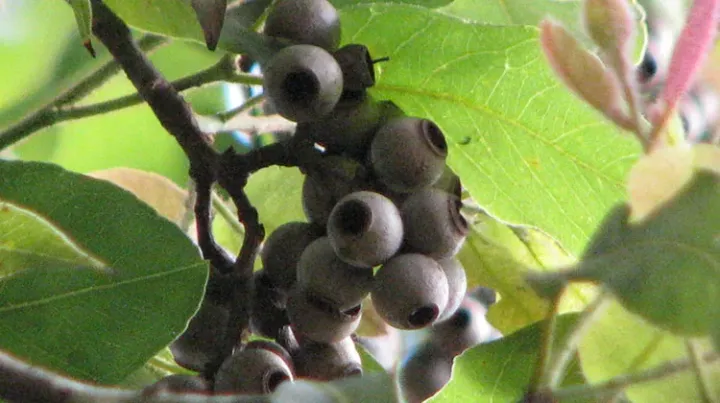
Description
Sowing dates
Corymbia torelliana seeds are typically sown in spring when soil temperatures stabilize, facilitating robust germination. It is advisable to use well-draining, nutrient-rich substrates to support early root development and prevent seedling damping-off.
In nursery settings, seeds should be sown at a shallow depth, barely covering them, to ensure proper light exposure which is critical for the germination of this species. Consistent moisture levels must be maintained during the initial weeks to avoid dehydration.
Seedlings usually emerge within two to four weeks. During this period, it is essential to provide shade to protect the fragile young plants from harsh direct sunlight. Gradually acclimatizing them to brighter conditions prepares them for transplanting.
Transplanting into the field is carried out once the saplings reach a height of 20–30 cm. Ensuring a healthy root system before planting significantly improves survival rates and promotes vigorous growth in the first year of establishment.
Soil preparation, including the incorporation of organic matter, is recommended to provide a favorable growth environment. Proper spacing between trees is crucial to allow for adequate airflow and crown expansion as the tree matures.
Growing requirements
Corymbia torelliana, commonly known as Cadaga, belongs to the Myrtaceae family. It is native to the tropical and subtropical regions of North-Eastern Queensland, Australia, thriving in warm and humid environments.
The tree requires significant sun exposure to maintain its metabolic functions and promote dense canopy development. It is sensitive to frost and does not tolerate long-term exposure to temperatures below freezing, which limits its range to milder climates.
Well-drained loam or sandy soils are ideal for this species. It does not perform well in waterlogged conditions, as poor aeration can lead to root pathogens. Soil pH should ideally be neutral or slightly acidic.
While the tree shows some tolerance to drought, regular rainfall or irrigation is required for optimal performance, especially in the early stages of life. Sufficient water ensures steady growth and better disease resistance.
Nutrient management through moderate fertilization can enhance the growth rate in poorer soils, though excessive nitrogen should be avoided to prevent weak structural development of the branches.
Yield
The wood of Corymbia torelliana is highly valued for its density, strength, and durability. It is frequently utilized in construction, flooring, and furniture manufacturing, making it a reliable resource in forestry.
This tree is also an exceptional honey source, attracting large numbers of pollinators during its flowering season. Its role in apiculture makes it an important asset for ecological beekeeping operations in its native range.
Biological extracts from the leaves and bark have been studied for their antiseptic properties. These compounds show potential for use in natural pesticides and pharmaceutical applications, adding value to the harvested biomass.
The Cadaga is frequently used as an ornamental tree in landscaping, appreciated for its smooth, attractively patterned bark and its ability to create shade in tropical garden settings.
With its relatively fast growth rate, the species provides sustainable yields of timber and forest products when managed under proper silvicultural guidelines, ensuring long-term profitability.
Main diseases and pests
Fungal diseases remain the most significant threat, particularly in humid climates with poor air circulation. These pathogens can cause foliage damage and weaken the tree, potentially leading to stunted growth.
Wood-boring insects can cause substantial structural damage if left unchecked. A systematic monitoring approach and early detection of infestations are essential to prevent widespread damage within a plantation.
Preventive maintenance, including sanitary pruning to improve airflow within the canopy, is highly effective in reducing the incidence of fungal outbreaks. Removing dead or diseased branches helps maintain overall tree vigor.
Biological control agents are preferred over chemical pesticides to manage pest populations, as they minimize environmental impact and preserve the health of beneficial insect populations, including honeybees.
Regular inspections after heavy rain events are crucial, as moisture accumulation facilitates the spread of spores and the development of infectious conditions in the lower canopy layers.
Harvesting
Timber harvesting should be conducted only when the trees have reached maturity, ensuring the wood reaches its optimal structural density. Sustainable forestry practices, such as selective thinning, are recommended to maintain forest density.
For apiculture, harvesting consists of positioning beehives strategically during the flowering window. It is vital to prohibit the use of toxic chemicals during this time to protect the health of the bee colonies.
Seed collection is performed once the capsules are fully mature and turn brown. Seeds are then extracted, cleaned, and dried thoroughly before being stored in cool, dry conditions to maintain long-term viability.
Effective post-harvest handling of seeds is critical to ensure high germination rates for future planting seasons. Proper storage prevents degradation and protects against mold and moisture.
All harvesting operations must strictly adhere to environmental regulations to prevent soil erosion and ensure the continued ecological viability of the plantation area.