
Cnidium silaifolium
Cnidium silaifolium
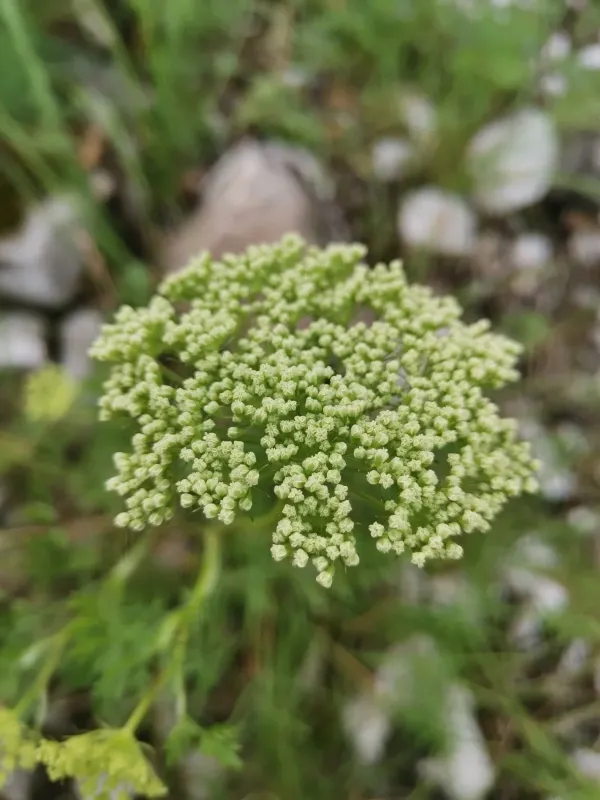
Description
Sowing dates
Cnidium silaifolium is a perennial herbaceous plant belonging to the Apiaceae (Umbelliferae) family. Historically found in dry meadows and rocky steppes, it is gaining interest as a specialty crop due to its unique phytochemical profile and resilience.
The plant exhibits a robust taproot system that supports a rosette of finely dissected, fern-like leaves. Its architectural habit, combined with tall, erect flower stalks bearing compound umbels, makes it a distinctive species in its natural habitat.
As an agricultural crop, it is primarily cultivated for its secondary metabolites, including coumarins and essential oils, which are utilized in pharmaceutical applications. Research into its domestication is ongoing to standardize production yields.
Sowing should ideally occur in early spring or late autumn, as the seeds often require a period of cold stratification to break dormancy. Seeds are small and should be sown shallowly into fine, well-prepared seedbeds to ensure optimal germination.
Initial growth is relatively slow, necessitating weed control during the establishment phase. Once the taproot is established, the plant becomes highly drought-tolerant and capable of sustaining itself through periods of low precipitation.
Growing requirements
Cnidium silaifolium demands well-drained, porous soil to prevent root rot. It thrives in alkaline or neutral substrates, making it an excellent candidate for calcareous soils where other crops might struggle to absorb necessary nutrients.
Exposure to full sun is non-negotiable for this species, as it directly impacts the concentration of bioactive compounds in the roots. The plants should be spaced sufficiently to ensure adequate airflow, reducing the risk of foliage diseases.
Irrigation management is crucial; the crop prefers a dry-to-moist soil profile rather than consistently damp conditions. Drip irrigation systems are recommended to provide precise moisture delivery directly to the root zone while keeping foliage dry.
Temperature requirements align with temperate climates. The plant is hardy and can withstand freezing temperatures, making it suitable for cultivation in regions with clear seasonal transitions and cold winters.
Nutrient management focuses on moderate applications of phosphorus and potassium, which support root integrity and winter hardiness. Excessive nitrogen fertilization should be avoided as it promotes rapid, soft growth that is more susceptible to disease.
Main diseases and pests
The primary pathological threats to Cnidium silaifolium include root rot pathogens, specifically Phytophthora and Pythium species, which thrive in poorly drained environments. Preventive measures include soil amendments to improve drainage.
Pests such as aphids and umbellifer-specific moths can infest the flowering structures, causing significant yield losses. Integrated pest management, including the use of selective biological insecticides, is recommended to mitigate these impacts.
Rust diseases and powdery mildew are common in humid conditions with poor ventilation. Maintaining wide row spacing and applying sulfur-based fungicides during humid periods can effectively manage these fungal issues.
Nematode infestations can damage the deep taproot, leading to wilting and poor growth. Crop rotation with non-host species is the most effective management strategy to maintain long-term soil health and productivity.
Finally, field sanitation—the removal and destruction of crop residues after harvest—is essential to reduce the inoculum load for the following season and maintain the long-term viability of the production plot.