
Cnidium cnidiifolium
Cnidium cnidiifolium
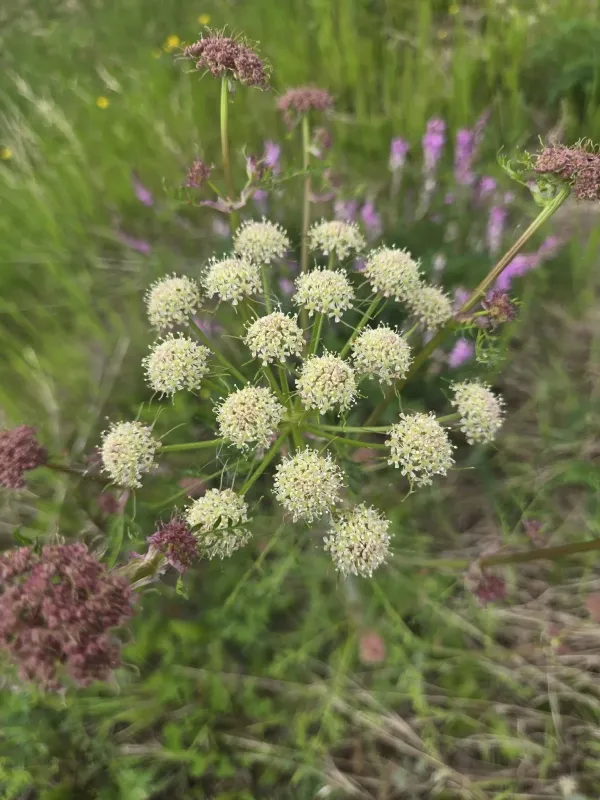
Description
Sowing dates
Cnidium cnidiifolium is a perennial herb belonging to the Apiaceae family. It is recognized for its adaptive capabilities in northern and mountainous climates, making it a potential candidate for specialized crop cultivation in temperate zones.
Sowing should ideally occur in early spring or late autumn. The seeds often require a period of cold stratification to break dormancy, which is why early spring planting after the ground thaws is typically the most effective method for successful germination.
Seeds should be sown at a depth of 1 to 2 cm in well-prepared, loose soil. Maintaining adequate surface moisture is vital during the germination phase to ensure that the small seeds do not dehydrate before establishing their root systems.
Spacing is essential for this crop to prevent overcrowding, which can lead to fungal issues. Row spacing of 50 cm is recommended, allowing sufficient space for both plant development and mechanical cultivation throughout the growing season.
In the first year of development, the plant focuses primarily on forming a robust rosette of leaves and a strong root structure. Agronomic focus during this stage should be on weed suppression to prevent the plant from being outcompeted in the field.
Growing requirements
Cnidium cnidiifolium thrives in locations with plenty of indirect or direct sunlight. While it can handle partial shade, full exposure to light during the active growing season contributes to better plant health and biomass accumulation.
The ideal soil profile consists of fertile, well-draining loams. Waterlogging must be avoided, as the plant is sensitive to root rot. Soils should ideally have a neutral to slightly acidic pH to facilitate optimal nutrient uptake.
Moisture management is key. While the plant can withstand periodic dryness once established, consistent irrigation during the peak vegetative stage will result in higher yields and more vigorous plant development.
Regular cultivation of the topsoil is necessary to enhance aeration and moisture retention. In commercial setups, mulching can be employed to manage weed pressure and protect the root zone from excessive thermal fluctuations.
Strategic fertilization with balanced NPK formulas early in the spring supports the regeneration of perennial tissues. Organic amendments, such as well-rotted compost, can also be beneficial in improving the long-term structure of the soil.
Main diseases and pests
Fungal diseases, including powdery mildew and various leaf spots, are the primary threats to the crop. These are most common during periods of high humidity, particularly if the plants are planted too closely together.
Pests such as aphids and leaf miners are known to affect members of the Apiaceae family. These insects can reduce the vigor of the plant and decrease the quality of the harvested biomass if not managed promptly.
Effective crop management includes a strictly enforced crop rotation schedule to prevent the buildup of soil-borne pathogens. Removing plant debris from the field at the end of the season is a critical sanitation practice.
Integrated pest management (IPM) strategies, including the use of pheromone traps or biological control agents, should be considered before turning to chemical solutions. Ensuring the health of the field's ecosystem is crucial for long-term production.
Early detection of infestations allows for localized treatments, which significantly reduces the need for broad-spectrum pesticides. Regular monitoring of the foliage for discoloration or signs of insect activity is a standard agronomic procedure.