
Cnidium dubium
Cnidium dubium
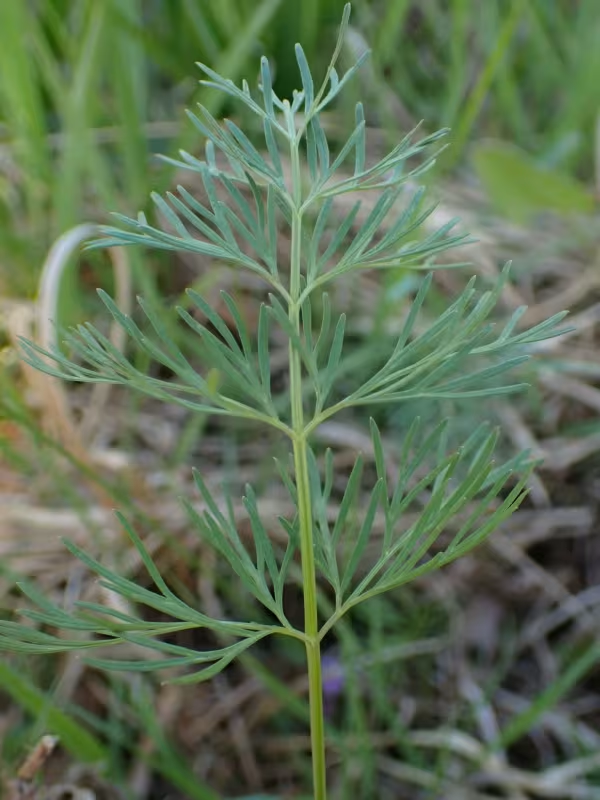
Description
Growing requirements
Cnidium dubium, commonly known as the eastern hemlock-parsley or dubious cnidium, is a perennial herbaceous plant belonging to the Apiaceae family. It is typically found in wetlands, floodplains, and damp meadow ecosystems across Eurasia.
Botanically, the plant is characterized by its umbelliferous inflorescences and deeply lobed leaves. It exhibits a robust root structure that is highly adapted to water-logged soils where oxygen availability may be lower than in upland fields.
The plant requires high soil moisture content for optimal growth and development. It thrives in loamy or silty soils rich in organic matter, which are capable of retaining moisture throughout the vegetative period.
Climatically, it is well-suited to temperate regions with stable precipitation patterns. It demonstrates significant cold hardiness during the winter months, allowing it to persist in northern latitudes.
From an agricultural standpoint, it serves as a component of wild forage meadows. Its nutritional profile makes it a valuable species for supporting local biodiversity and livestock grazing in lowland areas.
Main diseases and pests
The main pathological threats to Cnidium dubium include fungal infections such as powdery mildew, which can significantly damage leaf tissues during humid and warm summers.
Insect pests, including various aphids and the parsnip webworm, represent a continuous challenge by targeting the inflorescences and stem tissues, reducing the plant's reproductive success.
Management of these threats involves monitoring density levels and ensuring that environmental conditions do not favor pathogen buildup, particularly in densely grown meadows.
Integrated pest management strategies are recommended, focusing on maintaining soil health and balanced nutrient availability to help the plants remain resilient against infestations.
Physical damage caused by overgrazing or machinery can create entry points for secondary infections, necessitating careful management of the harvest and grazing schedule.