
Cnidium japonicum
Cnidium japonicum
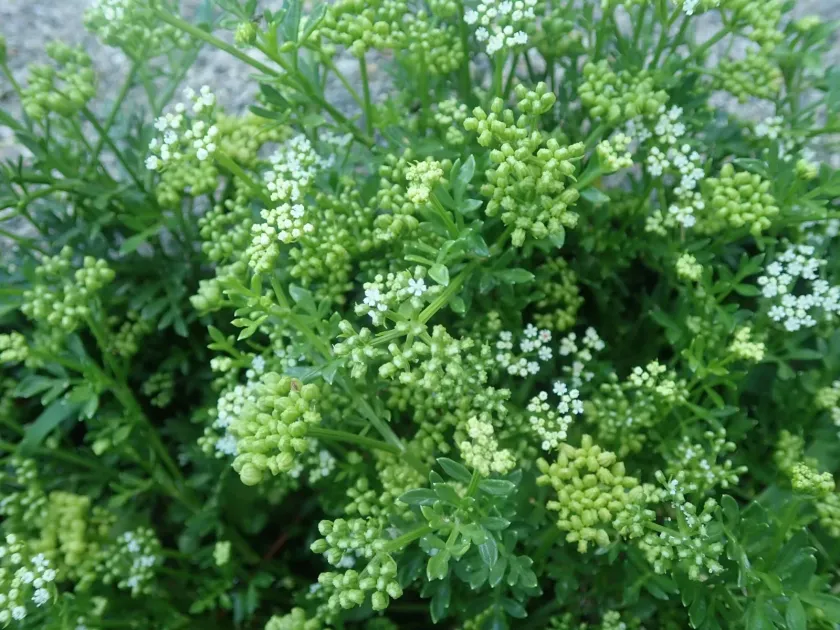
Description
Sowing dates
Sowing Cnidium japonicum usually occurs in early spring once soil temperatures reach a consistent level above 5 degrees Celsius. The seeds require a period of stratification to break dormancy, ensuring high germination rates when they are finally placed in the field.
Seeds should be sown in rows spaced approximately 50–60 cm apart to allow for proper equipment access during cultivation. The sowing depth should be shallow, generally about 1 to 2 cm, as small seeds have limited energy reserves to emerge from deep soil layers.
Firming the soil after sowing is essential to ensure moisture movement from the deeper soil profiles toward the seeds. In regions with milder winters, farmers may opt for late autumn sowing to leverage the early spring moisture window for better seedling establishment.
For intensive production, starting plants in trays as seedlings can be highly beneficial. This method allows for a more uniform stand and reduces the time required for weed management in the early, vulnerable stages of plant development.
Once seedlings are established in the field, thin them to a desired density of about 15–20 plants per square meter. This spacing allows sufficient room for the plant to develop the large, fleshy roots required for pharmaceutical processing.
Growing requirements
Cnidium japonicum, a member of the Apiaceae family, thrives in fertile, well-drained loamy soils. It is particularly sensitive to waterlogging, which can lead to root decay, so selecting sites with good natural or artificial drainage is a primary agronomic requirement.
The plant prefers a moderate climate with adequate moisture. While it is reasonably adaptable, extreme heat and drought can significantly hinder growth. Irrigation management is critical, especially during the peak vegetative stage, to maintain steady growth rates.
Nutrient management focuses on balanced fertilization. A base application of phosphorus and potassium before planting supports robust root formation, while nitrogen should be applied sparingly to avoid excessive leafy growth at the expense of root density.
Soil pH levels should be maintained in the neutral to slightly acidic range. Regular testing is recommended to ensure that micronutrients are available, as the plant can be sensitive to deficiencies in trace elements like magnesium or boron.
Weed control is perhaps the most labor-intensive part of the requirements. Due to the slow early growth of the crop, competing weeds can quickly overshadow the young plants. Mechanical cultivation and mulching are standard practices to keep the field clean.
Main diseases and pests
Root rot is the most significant threat to Cnidium japonicum, often caused by fungal pathogens such as Pythium or Fusarium. These infections are almost always associated with poor drainage or excessive soil compaction during the growing season.
Aphids are the primary insect pests affecting the foliage. These pests can weaken the plant and transmit viral diseases, requiring diligent monitoring and prompt intervention with integrated pest management (IPM) strategies, including biological controls.
Crop rotation is essential for disease prevention. Planting Cnidium japonicum in fields that have recently hosted other Apiaceae family members like carrots or parsley is strictly discouraged to avoid the buildup of soil-borne pathogens.
Mechanical damage during inter-row cultivation serves as an entry point for bacteria. Operators must ensure that machinery is calibrated to avoid touching the plants and that the soil is not thrown onto the crown of the plant during hoeing.
Field scouting for early signs of yellowing or wilting is crucial. If disease outbreaks occur, immediate removal of infected plants and surrounding soil is necessary to prevent the spread to adjacent areas of the crop.
Harvesting
Harvesting usually takes place at the end of the second year, when the root has reached its peak pharmacological maturity. Harvesting too early results in low active ingredient content, while harvesting too late may lead to woody, fibrous roots.
The harvesting process involves deep undercutting the roots using specialized machinery. Care must be taken to minimize breakage, as clean, intact roots are essential for maintaining the highest market value and shelf life.
Post-harvest handling requires quick processing. Roots must be thoroughly washed to remove soil, then sorted to ensure that damaged or rotten specimens do not contaminate the clean lot. This washing must be done with pressurized water.
Drying is a critical step that must be performed under controlled temperature conditions. The drying chambers should not exceed 50 degrees Celsius to preserve the essential oils and heat-sensitive bioactive compounds within the plant tissue.
Once dried to a moisture content of approximately 10–12 percent, the product should be packed in airtight, moisture-proof containers. Storing the crop in a cool, dark environment ensures that the medicinal properties are retained for long-term storage.