
Clivia robusta
Clivia robusta
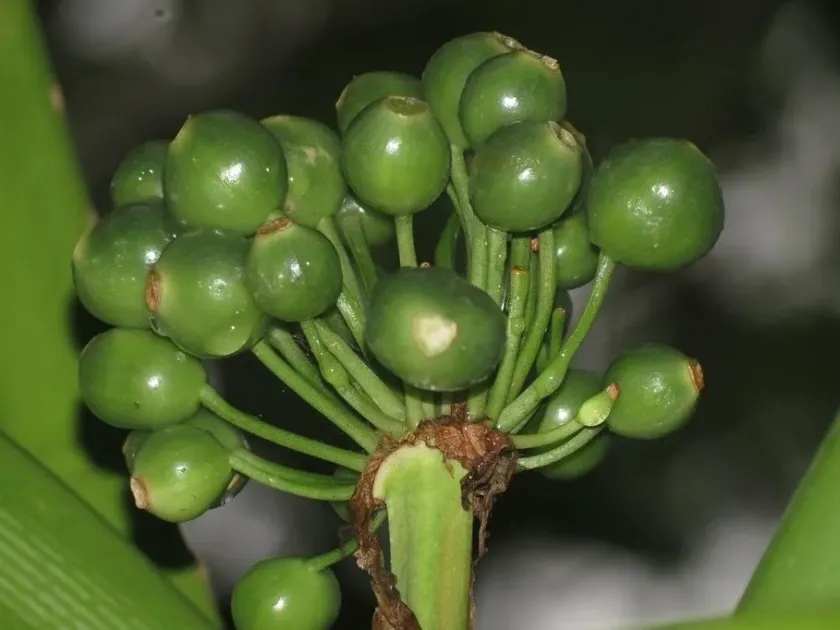
Description
Growing requirements
Clivia robusta is a prominent member of the Amaryllidaceae family, native to the humid forest regions of South Africa. It is characterized by its significant vegetative growth and large, robust leaves that create a distinct aesthetic appeal in any horticultural setting.
The cultivation of this species requires mimicking its natural understory environment. This means providing bright, indirect light while strictly avoiding direct sunlight, which can easily scorch the foliage and reduce the plant's overall vigor and attractiveness.
Soil composition is critical for Clivia robusta; it requires a well-draining, nutrient-rich substrate. A mixture incorporating organic matter and coarse aggregates ensures that the root system remains aerated while maintaining the necessary moisture levels for optimal growth.
Temperature management is a key aspect of agrotechnology for this plant. During the active growing season, it thrives in moderate temperatures, but it specifically requires a cooling period during the winter months to encourage successful flowering in the subsequent season.
This species is widely utilized in professional horticulture and private botanical collections. Its slow growth rate and unique botanical stature make it a prized specimen for indoor landscaping, requiring consistent and mindful care to reach its full size and blooming potential.
Main diseases and pests
The primary pests affecting Clivia robusta include scale insects and mealybugs, which tend to congregate in the leaf axils. Early detection through regular monitoring is essential to prevent infestation spread and the subsequent weakening of the plant's structural integrity.
Pathogenic threats are usually associated with poor environmental management, primarily root rot induced by overwatering. Ensuring the substrate dries out between watering intervals and maintaining adequate ventilation around the base is vital for preventing fungal infections.