
Clivia mirabilis
Clivia mirabilis
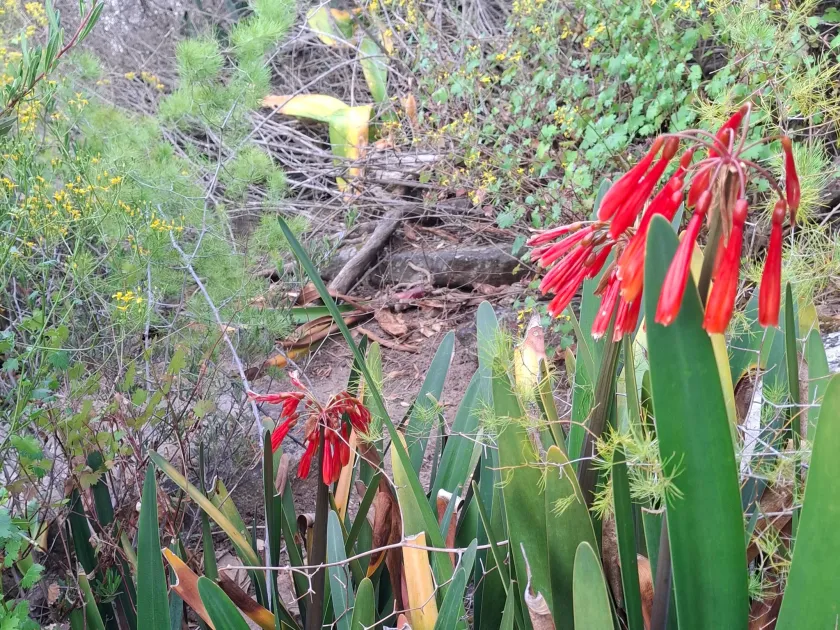
Description
Sowing dates
Clivia mirabilis seeds should be sown immediately after harvesting, as their viability decreases rapidly over time. The best time for planting is typically late winter or early spring.
Use a well-draining, lightweight potting mix consisting of peat, perlite, and a small amount of organic compost. Press the seeds into the surface without burying them deeply.
Maintain temperatures between 20°C and 22°C to encourage germination. Keep the soil consistently moist but never waterlogged to prevent fungal issues during the early stages.
Seedlings develop slowly and may take several months to germinate. Patience is essential when dealing with this specific species due to its natural development cycle.
Once the young plants have formed at least two sets of true leaves, they can be carefully transplanted into larger individual containers with good drainage.
Growing requirements
Clivia mirabilis is an endemic species native to the arid regions of the Northern Cape in South Africa. Unlike common Clivia species, it has evolved to survive in harsher, rockier environments.
The plant requires bright, indirect light throughout the year. Direct sunlight can scorch the foliage, while too little light will lead to weak, elongated leaf growth.
A loose, porous soil mixture is vital. A blend of coarse sand, pine bark, and peat moss mimics the natural growing conditions and ensures sufficient oxygen reaches the roots.
Watering must be disciplined; allow the growing medium to dry out partially between waterings. During the winter dormancy phase, provide only minimal moisture to prevent rot.
Clivia mirabilis thrives in cooler ambient temperatures, especially during its resting period. Ensure the plant is placed in a stable environment away from heating vents or drafts.
Main diseases and pests
Root rot is the most common and dangerous problem for Clivia mirabilis, usually caused by overwatering or using heavy, poorly draining potting soil.
Pests such as mealybugs and scale insects are frequently encountered. They tend to hide in the tight leaf axils, making early detection and manual removal necessary.
Systemic insecticides are effective for severe infestations, but regular monitoring and wiping the leaves with neem oil or mild soap solution is often sufficient.
Preventative care includes maintaining optimal airflow and avoiding overhead watering, which can trap moisture in the center of the leaf rosette and invite infections.
If rot is suspected, immediate action is required: remove the plant from the pot, trim away blackened roots, and repot into fresh, sterile soil to salvage the plant.