
Clivia hybrids
Clivia hybrids
Description
Growing requirements
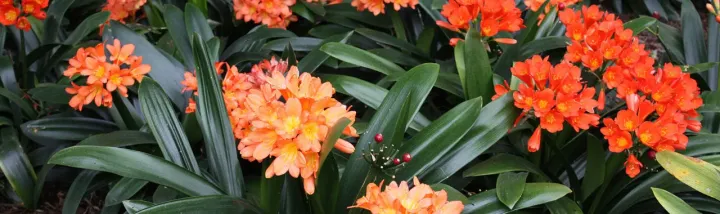
Clivia hybrids are ornamental plants belonging to the Amaryllidaceae family. These plants are the result of intense cross-breeding, primarily derived from Clivia miniata, aimed at developing a wide range of colors and more vigorous flower structures.
Originating from the shaded forests of Southern Africa, these plants have adapted to low-light conditions. In horticultural settings, they thrive in bright, indirect light, as direct sun exposure can severely damage their thick, dark green leaves.
The cultivation of Clivia hybrids requires a well-draining, nutrient-rich potting medium. The soil should remain slightly moist but never waterlogged, as the plant's succulent root system is highly susceptible to rot if allowed to sit in standing water.
Climate control is essential for successful blooming. During the active growing season, standard room temperatures are ideal, but for the flower stalks to initiate properly, the plant must experience a cool resting period, ideally between 12 and 15 degrees Celsius, during winter months.
These plants are primarily cultivated for their high aesthetic value in interior landscaping. Their ability to remain healthy for decades in a single container makes them a staple in botanical collections and residential plant care.
Main diseases and pests
The most significant pests affecting Clivia hybrids are mealybugs and scale insects. These pests often cluster in the leaf axils, making them difficult to detect until a significant infestation has occurred on the plant.
Root rot is the most common physiological threat, often caused by overwatering or poor drainage systems. When the roots are damaged by fungal pathogens in the soil, the leaves may start to yellow, and the plant's overall vigor declines significantly.
Botrytis, or gray mold, can affect the leaves if the environment lacks proper air circulation and features high humidity. Reducing moisture on the leaf surfaces and ensuring adequate spacing between plants is crucial for prevention.
Improper light exposure can also lead to weakened tissue, making the plant more susceptible to opportunistic secondary infections. Providing stable, consistent environmental conditions is the best defense against major plant health issues.
Always handle these plants with care, as they contain lycorine and other alkaloids that can be toxic if ingested. Wear gloves during maintenance to prevent skin irritation and keep the plants away from pets and small children.