
Wampi
Clausena lansium
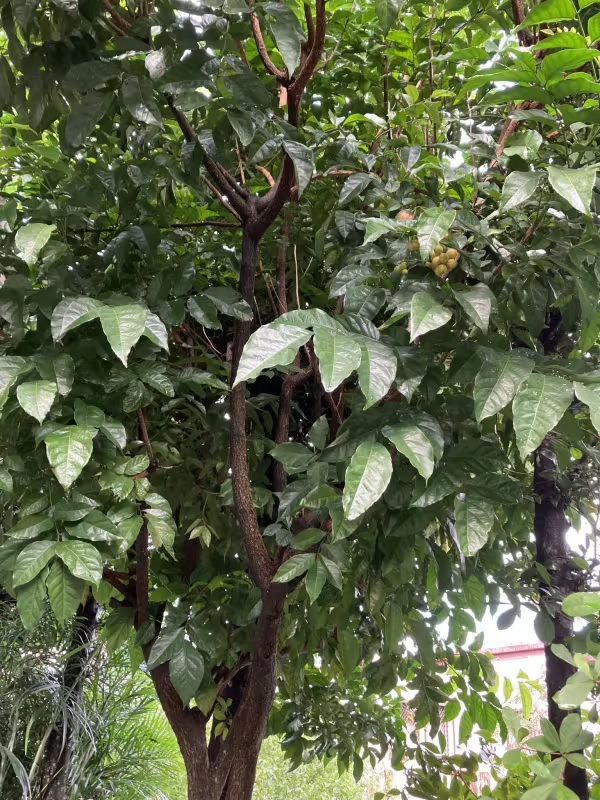
Description
Sowing dates
Wampi is primarily propagated through seeds, which should be planted immediately after extraction from the fruit as they possess very short-term viability.
Vegetative propagation methods, such as grafting or air layering, are preferred in commercial nurseries to ensure that the offspring inherit the high-quality traits of the parent.
The substrate for propagation should be light and porous, facilitating drainage and proper aeration to prevent seedling death during the early germination stages.
Seedlings require a stable environment with moderate humidity levels to develop a strong root system before being hardened off for outdoor conditions.
Transplanting into the permanent garden site should coincide with the onset of the rainy season to minimize water stress on the young, developing tree.
Growing requirements
As a member of the Rutaceae family, Wampi thrives in warm, tropical, or subtropical climates and is highly sensitive to frost or prolonged cold temperatures.
The ideal soil is deep, fertile, and slightly acidic, with excellent internal drainage to protect the sensitive roots from waterlogging during heavy rainfall.
While the tree appreciates sunlight, young plants often benefit from partial shade to protect them from excessive heat and leaf burn in their formative years.
Consistent moisture management is key; the trees need regular watering to support fruit development, yet the soil must not remain saturated for too long.
Wind protection is essential, as the wood can be relatively brittle, and high winds may damage the canopy or compromise the quality of the delicate fruit skin.
Yield
Wampi trees are prolific bearers, with mature trees producing substantial clusters of berries that are highly valued for their sweet and aromatic flavor profile.
The timing of harvest depends on the local microclimate, but trees typically reward growers with high yields when maintained with proper pruning and nutrition.
Commercial potential is centered on both fresh consumption and processing into various culinary products such as preserves, juices, and traditional tonic drinks.
Proper nutrient management, particularly during the flowering stage, is critical to ensuring a high fruit set and minimizing the natural drop of immature fruit.
Regular monitoring of canopy density allows for better light penetration, which directly translates to improved sugar content and overall fruit quality at harvest.
Main diseases and pests
The most common pests affecting Wampi are sap-sucking insects like scales and aphids, which gather on tender shoots and can stunt overall plant growth.
Fungal pathogens such as anthracnose represent a major threat, particularly in humid regions where prolonged moisture creates ideal conditions for fruit spotting.
- Scale insects
- Aphids
- Anthracnose
- Root rot
Integrated pest management strategies, such as using horticultural oils and maintaining sanitation, are effective for controlling minor infestations of common pests.
Pruning out dead or diseased branches is a vital practice that improves airflow, reduces humidity levels around the foliage, and inhibits the spread of infection.
Harvesting
The fruit must be harvested only when fully ripe, as it does not continue to mature or improve in sweetness once it has been removed from the tree.
Clusters should be clipped with pruning shears to preserve the integrity of the branch and ensure that fruit-bearing nodes remain intact for the next season.
Due to the high respiratory rate of Wampi fruit, post-harvest cooling and fast transportation are essential to prevent rapid degradation and shelf-life loss.
Sorting should be conducted immediately after harvest to remove any damaged or underdeveloped berries that might lead to spoilage during transit.
Packing in vented crates is recommended to allow for air circulation, which helps maintain the quality of the skin and prevents the buildup of excess moisture.