
Clausena anisata
Clausena anisata
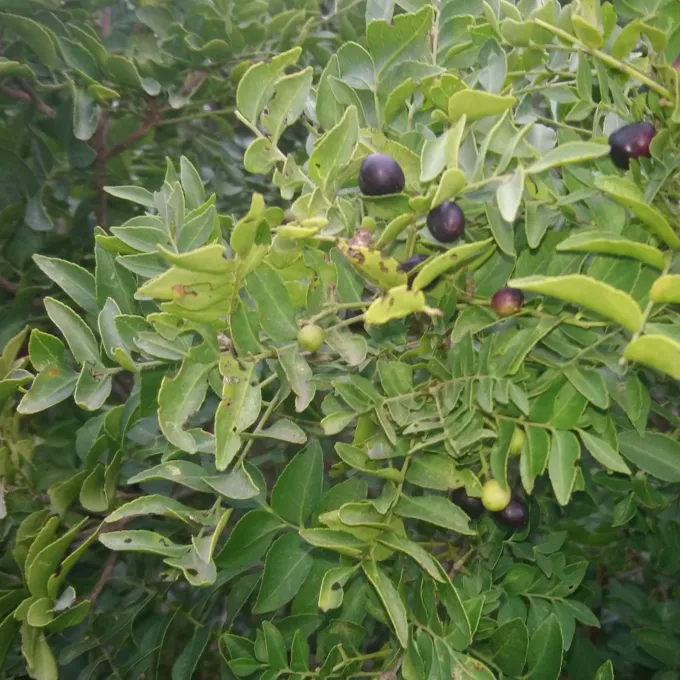
Description
Sowing dates
Propagation of Clausena anisata is primarily achieved through seeds, which require specific preparation to ensure successful germination rates.
The optimal sowing time is during the spring when environmental temperatures remain consistently between 22 and 26 degrees Celsius.
Seeds should be planted in a well-draining, nutrient-rich soil mix at a shallow depth of approximately 1 centimeter to promote healthy development.
During the initial stages of growth, maintaining stable soil moisture and providing sufficient indirect sunlight are critical for the seedling survival.
Transplanting to individual containers is recommended once the young plants develop at least two to three sets of true leaves, allowing for robust root establishment.
Growing requirements
Clausena anisata, belonging to the Rutaceae family, thrives in fertile, well-draining soils with a neutral or slightly acidic pH level.
As a tropical plant, it requires full sun to partial shade exposure and must be protected from frost and freezing temperatures, which can be fatal.
The plant demonstrates good drought tolerance once fully established, but it thrives best when provided with regular watering during the main growth season.
Adequate ventilation is necessary to prevent fungal issues, especially when the plant is kept in containers or within a greenhouse environment.
Regular fertilization with balanced organic matter supports continuous leaf production, which is essential for maximizing the plant's aromatic potential.
Yield
The economic value of this crop is derived from its leaves and bark, which are rich in essential oils used in traditional medicine and natural insect repellents.
Yield productivity is significantly enhanced by providing the plant with regular pruning, which encourages the development of dense, new shoots.
Harvesting biomass from established shrubs can be done multiple times throughout the growing season if the plant is maintained in optimal health.
The concentration of beneficial compounds in the leaves is typically highest during the pre-flowering stage, making this the best time for harvesting.
Proper post-harvest handling, including shade drying, is vital to preserve the volatile essential oils and the characteristic anise scent of the leaves.
Main diseases and pests
Clausena anisata naturally possesses insecticidal properties, which helps reduce the incidence of pest attacks compared to other commercial crops.
In indoor or greenhouse settings, spider mites can become an issue if the ambient humidity levels are allowed to drop too low for extended periods.
Root rot caused by overwatering is a significant threat, emphasizing the need for porous soil and careful monitoring of irrigation practices.
Fungal leaf spots can occur under conditions of high humidity combined with poor airflow, necessitating regular thinning of the foliage.
Integrated pest management strategies focusing on biological control are highly effective for maintaining the health of a Clausena plantation.
Harvesting
Harvesting is performed manually by carefully clipping mature branches, ensuring that sufficient foliage remains to support the shrub's recovery.
Using sterilized tools is essential to prevent the introduction of pathogens into the vascular system of the plant during the harvesting process.
After collection, the plant material should be moved to a clean, shaded area to begin the drying process and prevent degradation of the essential oils.
Strategic scheduling of the harvest cycles allows growers to maximize annual biomass output without compromising the longevity of the individual plants.
Consistent observation of the plant's physiological stages ensures that the harvest is timed to capture the peak concentration of active compounds.