
Clausena excavata
Clausena excavata
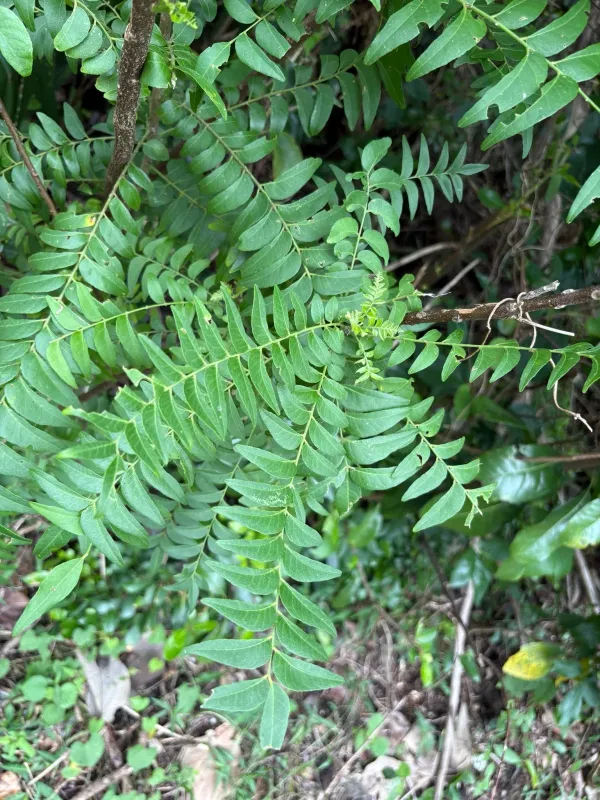
Description
Sowing dates
Clausena excavata, a member of the Rutaceae family, is typically propagated by seeds, which should be planted shortly after collection to ensure high viability.
The optimal sowing time aligns with the arrival of the wet season, providing the necessary moisture and warmth for successful germination of the seeds.
Seeds are placed in a well-drained, nutrient-rich potting medium at a depth of about 1 to 2 centimeters to foster healthy root development from the start.
Maintaining a constant soil temperature of approximately +25 to +28 degrees Celsius is critical for stimulating uniform and rapid emergence of seedlings.
Once seedlings have developed a sturdy root system and several sets of leaves, they are hardened off before being transplanted into their final garden beds.
Growing requirements
This species thrives in tropical climates and requires consistent exposure to warm temperatures, ideally ranging between +20 and +30 degrees Celsius.
Well-drained, fertile soil is a primary requirement for the plant; sandy or loamy soils with high organic matter content support optimal vegetative growth.
While the plant can tolerate full sun, it performs exceptionally well in partial shade, especially during the early stages of its lifecycle and in high-heat zones.
Adequate water supply is necessary, though care must be taken to avoid waterlogging, which significantly stresses the root system and encourages disease.
Regular maintenance, including mulching and the application of organic fertilizers, is essential to sustain the plant’s health and promote vigorous leaf production.
Main diseases and pests
Clausena excavata generally displays a robust constitution, yet it can be susceptible to fungal issues if humidity levels become excessively high for long periods.
Powdery mildew and various leaf spot diseases are the most common afflictions, often appearing when air circulation within the plant canopy is insufficient.
Pest pressures primarily include sap-sucking insects like aphids and whiteflies, which may congregate on new, tender shoots and cause stunted growth.
Root rot remains a major threat to cultivation, usually triggered by poor drainage or overwatering in heavy, clay-rich soil conditions.
Integrated pest management strategies, such as biological control and prompt removal of infected leaves, are recommended to protect the crop yield.
Harvesting
The harvest primarily involves the leaves and roots, which contain bioactive compounds that are highly valued in traditional medicine and pharmacology.
Leaves should be gathered in the early morning hours to ensure the preservation of volatile oils, which are at their peak concentration before the midday heat.
Root harvesting is performed with caution to prevent extensive damage, typically involving the removal of select portions from established, healthy mature plants.
The harvested material is air-dried in cool, shaded, and well-ventilated areas to prevent degradation of its medicinal and chemical properties.
Storage of the finished product is best managed in opaque, airtight containers to maintain potency and protect the crop from environmental degradation.