
Clausena harmandiana
Clausena harmandiana
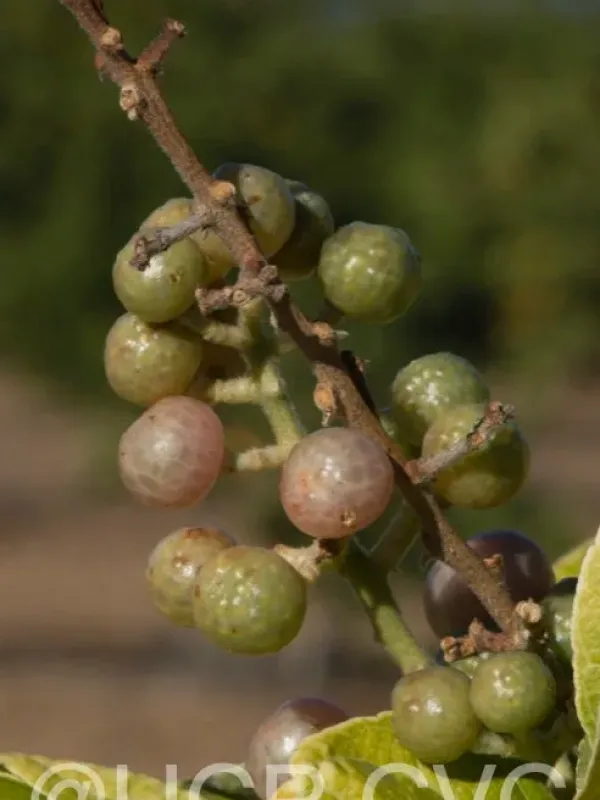
Description
Sowing dates
Propagation of this culture in natural habitats primarily occurs through seeds collected after the fruit reaches full physiological maturity.
In horticultural practice, seeds require careful preparation and are sown into loose, organic-rich substrates to ensure successful germination.
The optimal time for sowing in tropical regions is at the beginning of the rainy season to facilitate rapid root establishment.
When using container cultivation methods, it is crucial to maintain stable soil moisture levels and temperatures around 25 degrees Celsius.
Seedlings often emerge irregularly; therefore, the use of growth regulators is recommended to improve the overall germination rate.
Growing requirements
Clausena harmandiana is an evergreen shrub or small tree belonging to the extensive Rutaceae family.
The plant thrives in well-drained, fertile soils with a neutral or slightly acidic pH balance to support robust nutrient uptake.
It requires bright, filtered light for optimal growth, though young specimens should be protected from harsh, direct sunlight.
As a species native to Southeast Asia, it is highly sensitive to cold temperatures and cannot tolerate frost in any conditions.
Agronomic management requires consistent, moderate watering while ensuring effective drainage to prevent root rot and anaerobic conditions.
Yield
The economic value of this crop is derived from its leaves and young shoots, which are harvested for their aromatic and medicinal properties.
Productivity is significantly improved through regular pruning, which encourages the development of dense, new vegetative growth.
Peak production of raw materials is typically achieved in the third or fourth year of growth under an intensive fertilization regimen.
Harvesting for medicinal purposes is best conducted during early morning hours to maximize the concentration of essential oils in the tissues.
The plant is generally cultivated on a small scale, serving local markets and traditional medicine practitioners rather than large-scale industry.
Main diseases and pests
The most significant pests affecting this culture include scale insects and spider mites, which thrive in low-humidity environments.
Root fungal diseases are common when irrigation exceeds plant requirements, leading to excessive soil moisture and poor aeration.
Biological insecticides based on vegetable oils are recommended to control infestations without compromising the quality of the raw material.
Preventive maintenance involves keeping the growing area clean and removing any dead or diseased branches to reduce infection sites.
Strict disinfection of pruning tools is essential to minimize the risk of spreading pathogens between healthy plants in the plantation.
Harvesting
Harvesting of leaves is performed manually by carefully trimming the shoots to preserve the integrity of the shrub’s skeletal structure.
Once harvested, the material must be dried immediately in shaded, well-ventilated areas to prevent the degradation of essential oils.
The fruits may also be harvested once they darken in color and reach their final stage of biological development.
Finished products should be stored in airtight containers to maintain aromatic profiles and prevent moisture ingress during storage.
Adhering to proper post-harvest protocols allows the material to retain its quality for up to twelve months without significant loss of potency.