
Clausena anisum-olens
Clausena anisum-olens
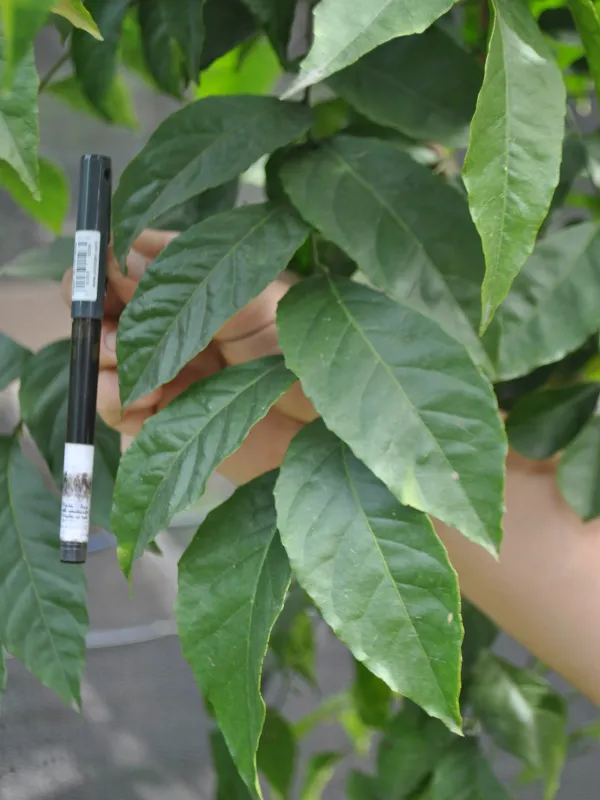
Description
Sowing dates
Seeds of Clausena anisum-olens require a specific stratification period to break dormancy and ensure uniform germination across the field or nursery.
For optimal results, seeds should be sown in a light, well-draining substrate rich in organic matter, maintaining a soil temperature of +22°C to +25°C.
Shallow planting at a depth of approximately 1 cm is crucial, as the seeds are small and can be easily smothered by heavy soil layers.
Seedlings should be protected from direct sunlight in their initial stages, gradually introducing them to full light once they reach the third-leaf stage.
Transplanting to the permanent site occurs once the plant develops a sturdy root system and stem, usually about 3 to 4 months after initial sowing.
Growing requirements
Clausena anisum-olens is a perennial shrub belonging to the Rutaceae family, native to tropical regions where it thrives in warm, humid climates.
This species demands fertile, well-drained soil with a pH ranging from 6.0 to 7.0; it is highly susceptible to waterlogging which leads to root decay.
Regular exposure to sunlight is essential for the biosynthesis of the aromatic essential oils that give the plant its characteristic anise scent.
While tolerant of various soil types, the plant performs best in loamy soils supplemented with organic mulch to retain moisture while ensuring drainage.
It is not frost-tolerant and must be protected from temperatures below +10°C, making it suitable mainly for tropical or controlled greenhouse environments.
Yield
The harvestable yield consists primarily of foliage, which is gathered for its culinary value and as a source for high-quality essential oil extraction.
Productivity is significantly enhanced by regular pruning, which promotes the growth of dense, succulent side shoots rather than woody stems.
In mature, well-maintained plantations, multiple harvests per year are possible if conditions remain favorable throughout the growing season.
Essential oil content peaks during the periods of active vegetative growth, particularly when the shrub is provided with adequate phosphorus and potassium nutrition.
Proper biomass management ensures that the shrubs remain productive for several years without the need for frequent replanting or soil renewal.
Main diseases and pests
The plant is naturally resistant to many pests due to the chemical composition of its essential oils, which act as a natural deterrent.
However, high humidity can trigger outbreaks of fungal diseases such as leaf spot or powdery mildew, which can compromise the quality of the foliage.
In greenhouse settings, spider mites and aphids may become an issue if ventilation is insufficient and the air becomes stagnant.
Preventative measures include maintaining proper plant spacing to allow air circulation and avoiding overhead irrigation that leaves water on the leaves.
Integrated pest management strategies focusing on organic solutions are preferred to maintain the chemical purity required for essential oil extraction.
Harvesting
Harvesting is usually done by selectively trimming the tips of the branches, allowing the plant to retain its structure and regenerate quickly.
The best time to harvest for maximum essential oil potency is in the early morning, before the heat of the sun causes the oils to evaporate.
Leaves must be handled with care to avoid bruising, which can lead to premature degradation of the aromatic compounds before drying or processing.
Drying should be performed in a cool, dark, and well-ventilated space to preserve the bright green color and the integrity of the anise-like fragrance.
Post-harvest processing involves sorting the material to remove woody stems and any impurities, ensuring that only high-quality leaves reach the extraction phase.