
Clausena indica
Clausena indica
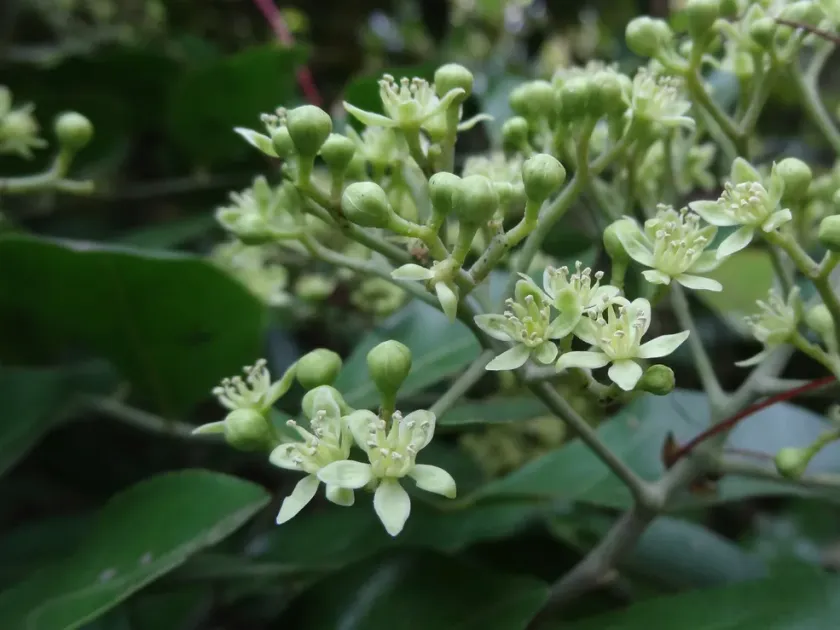
Description
Growing requirements
Clausena indica is a perennial evergreen shrub or small tree belonging to the Rutaceae family. This species is highly regarded for its aromatic leaves and potential medicinal properties, sharing many biological traits with other economically significant citrus relatives.
The plant originates from the tropical regions of South and Southeast Asia. It thrives in humid tropical environments and requires stable temperatures throughout the year, as it is strictly intolerant to frost and cold drafts.
To ensure optimal development, the plant requires a well-drained, fertile soil rich in organic matter. A slightly acidic to neutral pH level is ideal, as it facilitates the efficient uptake of essential micro-nutrients required for lush foliage development.
The agricultural practice for Clausena indica involves providing consistent moisture without waterlogging. Frequent, shallow watering is generally preferred over deep irrigation, as the root system is sensitive to prolonged anaerobic conditions in heavy soils.
In terms of хозяйственное usage, the leaves are often harvested for their essential oils used in traditional medicine, while in some culinary traditions, they serve as aromatic herbs to season various tropical dishes, reflecting the cultural heritage of its region of origin.
Main diseases and pests
Common plant diseases affecting Clausena indica primarily stem from fungal pathogens in humid, stagnant conditions. Root rot and foliage blight are the most notable issues that require immediate attention to prevent plant loss.
Insect pests, such as spider mites, whiteflies, and scale insects, frequently target the succulent leaves of the plant. These pests can rapidly proliferate in dry, indoor conditions if proper humidity levels are not maintained by the grower.
Integrated Pest Management (IPM) strategies are highly recommended for this species. This includes biological controls and the physical removal of infected plant parts to maintain healthy growth cycles without excessive reliance on synthetic chemicals.
Nutrient deficiencies, specifically in iron and magnesium, can sometimes be mistaken for pathogenic diseases. Correct identification of the problem is essential for applying the right corrective fertilizers and ensuring long-term plant vitality.
Good air circulation is the most effective preventative measure against both pests and fungal diseases. Pruning to open the canopy allows for adequate light penetration and airflow, reducing the humidity pockets that favor pathogen growth.