
Claroideoglomus lamellosum
Claroideoglomus lamellosum Dalpe, Koke & Tews
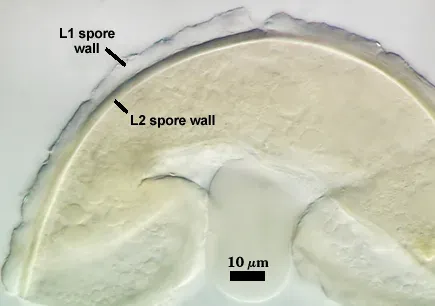
Description
Growing requirements
Claroideoglomus lamellosum is a species of arbuscular mycorrhizal (AM) fungi belonging to the family Claroideoglomeraceae. Unlike conventional crops, this organism is an essential biological component used to establish symbiotic relationships with roots to enhance plant nutrient uptake.
This fungus has a worldwide distribution, found in diverse ecosystems and soil types. It is particularly valued in agricultural contexts for its ability to extend the effective root surface area of host plants, allowing them to scavenge for water and nutrients more efficiently than with root hairs alone.
The fungus thrives in soils with moderate nutrient availability and good aeration. It acts as a biological bridge, transporting phosphorus, zinc, and other minerals directly to the plant cells in exchange for photosynthetic carbon, effectively functioning as a natural fertilizer delivery system.
Agricultural management of C. lamellosum involves the application of inoculants containing spores or colonized root fragments. This technique is widely used in organic farming and integrated pest management programs to reduce reliance on synthetic mineral fertilizers.
Regarding climate and soil conditions, C. lamellosum is highly resilient. It can survive in a wide range of temperatures and is well-adapted to varied soil pH levels, making it a reliable partner for boosting crop productivity in less-than-ideal growing conditions.
Main diseases and pests
The primary threat to the stability of Claroideoglomus lamellosum populations is the overuse of synthetic fertilizers. High levels of phosphorus in the soil signal the plant to reduce its investment in the fungal partner, leading to a breakdown of the symbiotic relationship.
Tillage practices pose a significant physical threat to the mycelial network. Frequent mechanical disruption of the soil column damages the fungal structures, forcing the fungus to expend energy on regeneration rather than plant support, which ultimately reduces overall field fertility.
Indiscriminate use of fungicides is another major risk factor. Many systemic fungicides inhibit the development of mycorrhizal fungi, which can leave crops more vulnerable to environmental stresses in the long term compared to fields managed with biological inputs.
Soil compaction creates an anaerobic environment that limits the metabolic activity of the fungus. Maintaining good soil structure through cover cropping and reduced tillage is essential to ensure that the oxygen levels are sufficient for the fungus to colonize roots effectively.
The absence of suitable host plants during fallow periods or in monocultures of non-mycorrhizal crops can deplete the reservoir of viable spores in the soil. Crop rotation strategies that include mycorrhizal-dependent plants help to sustain these beneficial fungal populations over time.