
Circaea mollis
Circaea mollis
Description
Growing requirements
Circaea mollis, commonly known in its native range as a type of enchanter's nightshade, is a perennial herb belonging to the Onagraceae family. It is widely distributed across the temperate forests of East Asia, thriving in high-moisture environments and sheltered valley bottoms.
The plant demonstrates a strong preference for cool, shaded habitats with rich, organic, and consistently damp soil. It is rarely found in open fields, as it relies on the forest canopy to mitigate heat and provide the necessary levels of atmospheric humidity required for its growth.
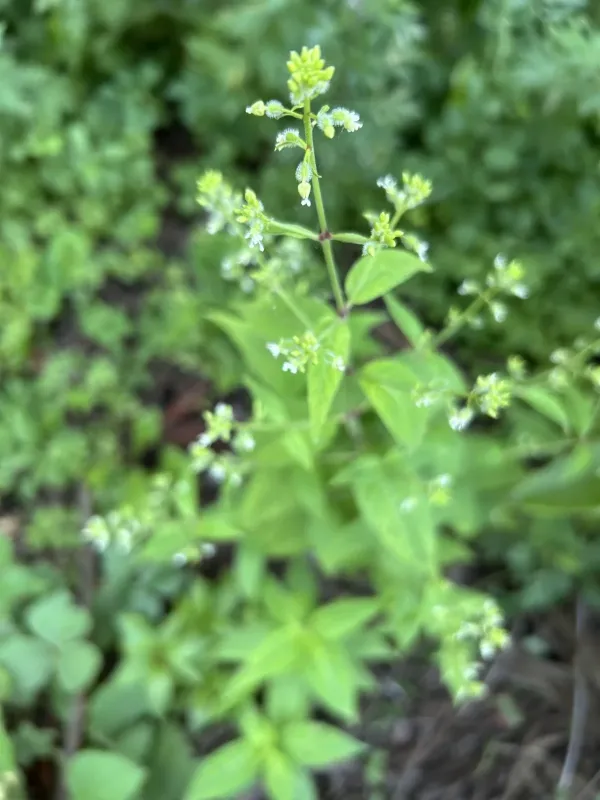
Botanically, Circaea mollis is characterized by a creeping rhizome system that allows it to spread vegetatively, forming colonies on the forest floor. The stems are delicate and erect, featuring oppositely arranged leaves that are typically ovate to lanceolate, adding a lush texture to its environment.
The reproductive strategy of this plant includes the production of small, two-petaled flowers clustered in terminal racemes. Following pollination, the seeds develop with small hooks, an evolutionary adaptation that facilitates dispersal by attaching to the fur of passing wildlife, ensuring colonization of new forest patches.
In terms of human use, while not a commercial agricultural crop, Circaea mollis has historical roots in traditional medicine within its native regions. It is also increasingly recognized in horticulture for its ability to stabilize soil in shaded garden areas, acting as a low-maintenance ground cover.