
Circaea cordata
Circaea cordata
Description
Growing requirements
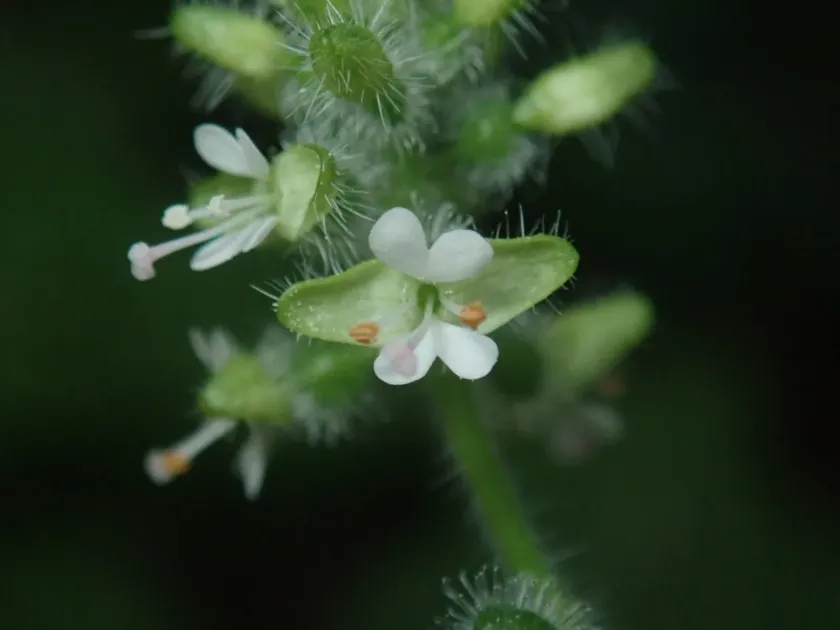
Circaea cordata, commonly known as a type of enchanter's nightshade, belongs to the Onagraceae family. It is a perennial herbaceous plant native to temperate forests, characterized by its heart-shaped leaves and delicate, small flowers.
The plant thrives in moist, humus-rich woodland soils. It requires a substrate that retains moisture effectively but maintains good aeration. A pH range that is slightly acidic to neutral is optimal for its development.
In terms of light requirements, Circaea cordata is strictly a shade-tolerant species. It performs best in deep shade or under the canopy of trees, where it is protected from intense, direct solar radiation that causes leaf desiccation.
Temperature management is straightforward, as the plant is well-adapted to temperate climates. It possesses significant cold hardiness, allowing it to survive frost cycles while protected by mulch or natural leaf litter during the dormant winter season.
Botanically, it spreads through creeping rhizomes, making it an efficient ground cover in woodland gardens. Each stem produces distinctive heart-shaped leaves that contribute to its ornamental value in specialized shade gardening setups.
Main diseases and pests
The primary threats to Circaea cordata are fungal pathogens favored by high humidity and poor air circulation. Overcrowded planting conditions often exacerbate these issues, leading to rapid disease spread.
Powdery mildew represents the most frequent fungal challenge, appearing as white dust on leaves. To control this, it is necessary to thin out the plants to improve airflow and apply appropriate fungicidal treatments if the infestation becomes severe.
Gastropods, particularly slugs and snails, are significant pests. These organisms target the lush foliage during damp weather. Protective measures such as organic barriers or snail baits are recommended to prevent extensive cosmetic damage.
Root rot occurs if the soil drainage is inadequate. Ensuring that the planting site has sufficient organic matter to maintain structure while preventing waterlogging is essential for plant longevity.
General maintenance should include the removal of weeds that act as hosts for common garden pathogens. Keeping the area tidy helps reduce the population of potential vectors for disease and enhances the overall vigor of the crop.