
Alpine enchanter's-nightshade
Circaea alpina
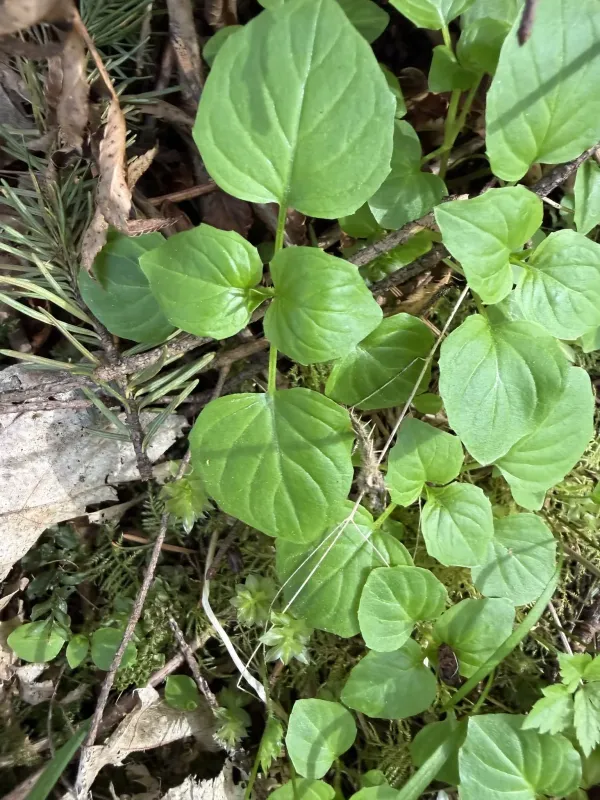
Description
Growing requirements
Alpine enchanter's-nightshade (Circaea alpina) is a herbaceous perennial belonging to the Onagraceae family. It is a shade-tolerant plant that thrives in environments characterized by high humidity and consistent soil moisture throughout the growing season.
The plant originates from the temperate regions of the Northern Hemisphere, where it is found in damp forests, along riverbanks, and in mountain gullies. Its natural distribution is primarily driven by the availability of cool, shaded niches that protect it from temperature extremes.
Cultivation requirements focus on nutrient-rich, humus-based soils that provide excellent drainage while maintaining constant moisture. The species is highly sensitive to drought; therefore, sites with high water tables or consistent irrigation are essential for successful plant development.
Agronomic management involves maintaining a microclimate similar to a forest floor. This includes the application of organic mulch to keep the soil temperature stable and the use of shading structures to mitigate the impact of direct ultraviolet radiation during summer months.
Economically, the plant is primarily studied for its phytochemical profile, with potential interest in herbal medicine. While not a conventional agricultural crop, it is increasingly valued in shade-gardening and botanical restoration projects due to its resilience in specific conditions.
Main diseases and pests
The primary diseases affecting this crop involve fungal pathogens, such as powdery mildew, which thrive in stagnant air conditions. Ensuring proper spacing and ventilation between plants is crucial for disease prevention in a nursery or garden setting.
Pest management focuses on controlling sap-sucking insects and leaf-miners that can weaken the plant by damaging its photosynthetic apparatus. Integrated pest management strategies, emphasizing biodiversity, are recommended to sustain the health of the population.