
Enchanter's nightshade
Circaea lutetiana
Description
Growing requirements
Enchanter's nightshade (Circaea lutetiana) is a perennial herbaceous plant belonging to the Onagraceae family. It is widely recognized for its ability to thrive in the shaded, moist environments typical of deciduous woodland habitats.
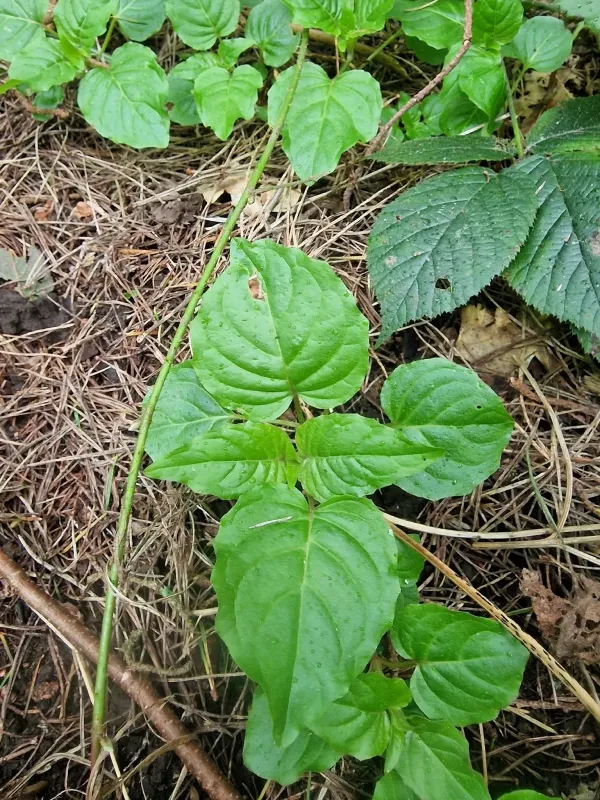
The plant features a creeping rhizome system that allows it to spread effectively and form dense patches. Its stems grow between 30 and 60 cm tall, supporting delicate, opposite leaves, which provide a lush, green aesthetic to shaded areas in a landscape setting.
Cultivation requirements focus on providing rich, loamy, and consistently moist soil. This plant is highly sensitive to direct sunlight and dry conditions, making it an excellent choice for north-facing slopes or under the canopy of mature trees.
Native to Europe and parts of Asia, this species is well-adapted to temperate climates with mild winters. Its biological structure allows it to enter a dormant phase in late autumn and re-emerge vigorously during the early spring warming period.
Gardeners should focus on mulching around the base of the plant to retain soil moisture and provide organic nutrition. Although resilient, the plant requires protection from harsh wind and prolonged drought to maintain its optimal health and vigor.
Main diseases and pests
Powdery mildew represents a primary fungal threat, particularly in crowded planting sites with poor air circulation. Improving airflow between individual plants is the most effective way to prevent the spread of this common disease.
Gastropods, including slugs and snails, are significant pests that can defoliate the plant during the active growing season. Barriers, such as crushed eggshells or specialized copper tapes, are frequently used to protect young growth.
Root rot occurs if the soil composition is too heavy or waterlogged, which prevents necessary oxygen exchange. Introducing sand or leaf mold at the time of planting is recommended to improve the soil structure.
Aphids can occasionally infest the flower spikes during the mid-summer phase, potentially reducing seed production. Periodic inspections and the use of insecticidal soap can manage these pest populations effectively.
Overall maintenance should involve regular checks for foliage damage and consistent soil monitoring to ensure the plants do not suffer from sudden moisture deficits, which is the most frequent stressor for this woodland species.