
Circaea erubescens
Circaea erubescens
Description
Growing requirements
Circaea erubescens belongs to the Onagraceae family. This perennial herb is native to shaded woodland areas, showing distinct adaptation to low-light environments.
The plant requires rich, moist, and well-drained soils to thrive. It performs best in organic-rich woodland soil with a neutral pH, mimicking its natural habitat of damp ravines and forest floors.
Regarding climate, it prefers cool and stable temperatures. Direct exposure to the sun is detrimental, so cultivation must ensure constant shade or partial canopy cover to prevent leaf scorching and desiccation.
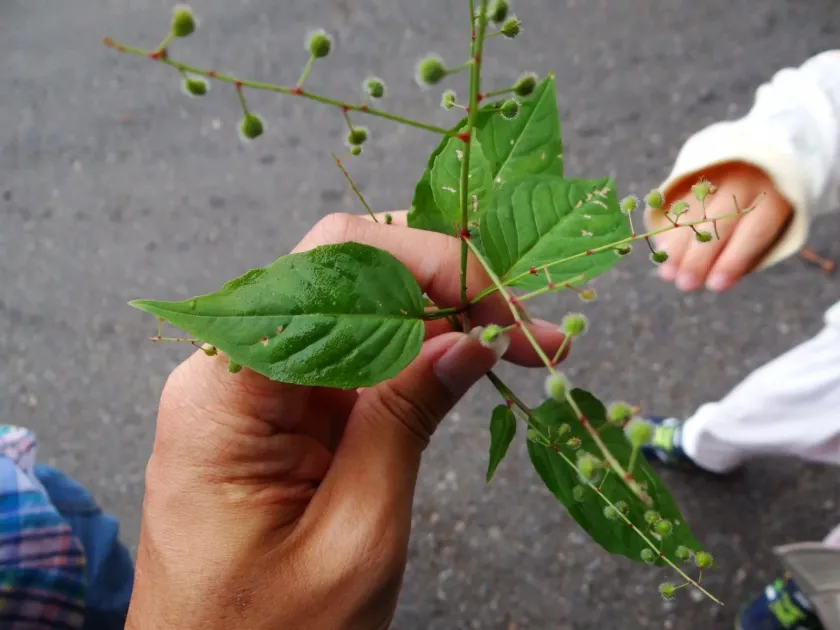
Botanically, it features a slender creeping rhizome, erect stems with opposite leaves, and delicate pale pink-tinged flowers arranged in racemes. Its structure is specialized for efficient survival in competitive forest conditions.
Economically, the plant is primarily utilized in shade-tolerant landscaping. It serves as an excellent ground cover for woodland gardens, though limited traditional medicinal interest exists in its native range.
Main diseases and pests
Powdery mildew represents the most frequent fungal threat, especially when airflow is restricted in dense, humid planting areas.
Slugs and snails are the primary pests that damage the succulent leaves of the plant. They are particularly active in cool, moist weather conditions throughout the spring and autumn months.
Root rot occurs if the substrate remains waterlogged for extended periods. Proper drainage is essential to maintain the health of the rhizomatous root system.
Aphid infestations may target the tender flower stalks, leading to stunted growth and reduced seed production if left untreated.
Proactive monitoring and the application of physical barriers against gastropods are highly recommended to ensure the longevity of the plant stand.