
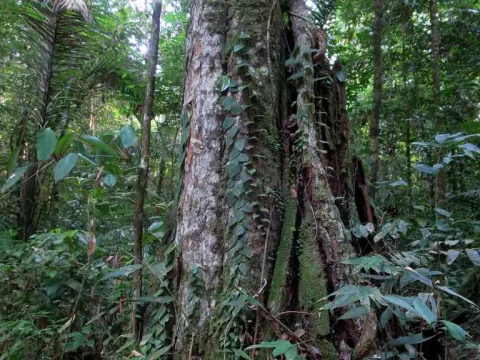
Chlorocardium
Chlorocardium
Chlorocardium (Chlorocardium rodiei), commonly referred to as Greenheart, is a significant species within the Lauraceae family. It is endemic to the tropical rainforests of Guyana and parts of Suriname.
What the section contains

Chlorocardium
This species thrives in specific tropical climates characterized by high rainfall and stable, warm temperatures throughout the entire year. It cannot tolerate extreme fluctuations in climate.
The plant requires deep, well-drained soils that are rich in organic nutrients to support its slow but steady growth into a massive canopy tree.
In terms of biology, Chlorocardium is a slow-growing hardwood. It is a defining feature of the Guiana Shield ecosystem, often forming a significant portion of the primary forest structure.
Cultivation of this species outside its native range is nearly impossible, as it relies on complex symbiotic relationships with local soil biota and ecosystem pollinators.
The economic value of Chlorocardium lies entirely in its timber, known as Greenheart, which is celebrated globally for its extreme density and structural integrity.
Greenheart wood is famous for its natural resistance to decay, termites, and the damaging effects of marine borers, making it the top choice for hydraulic engineering.
It is commonly utilized for dock pilings, lock gates, sea walls, and other marine infrastructure projects where long-term durability is the primary requirement.
The wood's mechanical properties include high shock resistance and tensile strength, which previously made it the standard material for the construction of high-end fishing rods.
Sustainable harvesting remains a critical issue, as the species requires long harvest cycles. International standards are applied to ensure that timber extraction does not compromise local forest health.
Deforestation and habitat loss are the most significant threats to the wild populations of Chlorocardium, as their native ecosystems are converted for other land uses.
While mature trees are exceptionally resistant to pests and diseases, saplings and seedlings are vulnerable to competitive pressures and various fungal pathogens within the dense forest floor.
Insects and certain borers can impact the health of seed crops, which limits the natural regeneration rate of the species in disturbed forest areas.
Climate change poses a long-term risk to the tree's health by altering the delicate balance of humidity and precipitation required for its survival.
Maintaining biological diversity is crucial for this species, as it lacks the high reproductive speed needed to recover quickly from significant population declines.