
Cheilanthes tinaei
Cheilanthes tinaei
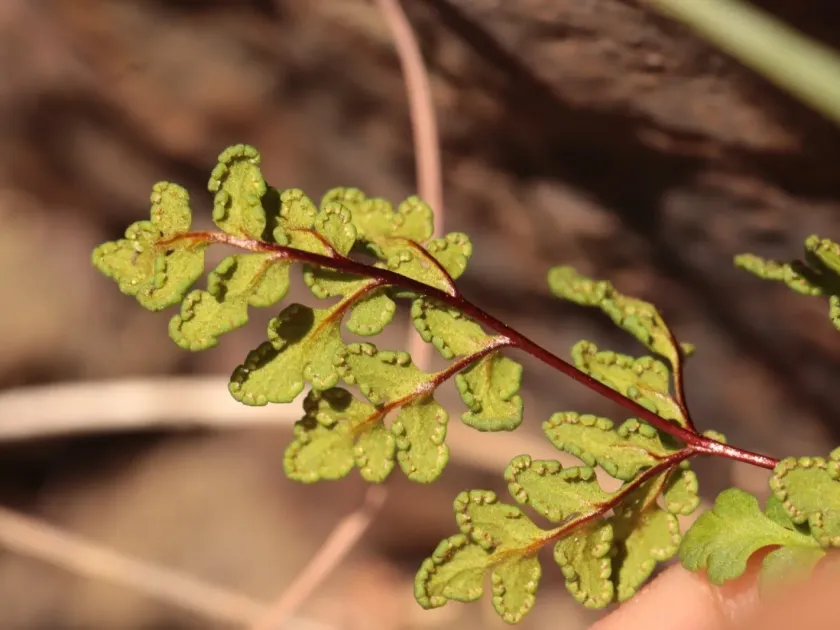
Description
Growing requirements
Cheilanthes tinaei is a distinct species within the Pteridaceae family, commonly recognized as a rock fern. These plants are uniquely adapted to rocky environments, which informs their specific growth requirements in cultivation.
The primary necessity for this fern is a highly porous, well-draining potting medium. A mixture of peat, perlite, and coarse sand or gravel is essential to prevent root rot, which is the most frequent cause of loss in this species.
Light requirements for Cheilanthes tinaei involve bright, indirect light. Direct sunlight can scorch the delicate fronds, leading to rapid dehydration and tissue damage during the growing season.
Climate conditions should be managed to mimic a humid, temperate environment. While the plant appreciates consistent moisture, the roots must never remain waterlogged, necessitating a careful watering schedule.
Propagation is generally achieved through division of the rhizomes during the repotting process, which should be performed carefully to avoid damaging the fragile root structure of the fern.
Main diseases and pests
The main threats to Cheilanthes tinaei are fungal pathogens that thrive in excessively damp environments with poor air circulation.
Root rot is the most significant disease risk, often triggered by dense soil substrates that retain too much moisture for extended periods.
Pest issues frequently include spider mites, which are particularly troublesome when ambient humidity levels drop too low in indoor environments.
Scale insects can also infest the stems and undersides of the fronds, requiring physical removal or specific horticultural oil treatments.
Maintaining proper air movement around the plant is the most effective cultural practice for preventing both pest outbreaks and fungal infections.