
Cheilanthes acrostica
Cheilanthes acrostica
Description
Growing requirements
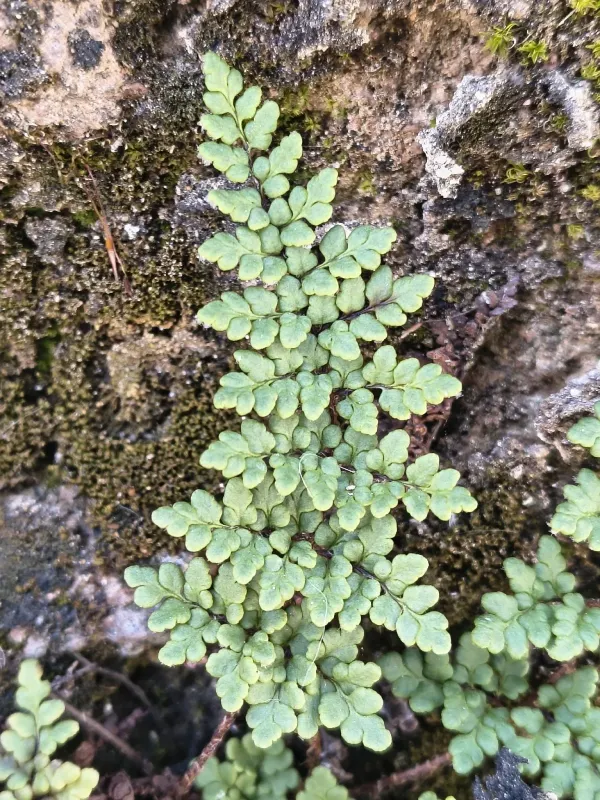
Cheilanthes acrostica is a perennial fern belonging to the Pteridaceae family, native to the rocky habitats and crevices of the Mediterranean region. It is a highly specialized plant adapted to harsh, arid environmental conditions.
Botanically, it features distinct pinnate fronds covered with small scales or hairs on the underside, which serve as a physiological barrier against excessive transpiration during intense sun exposure.
Successful cultivation requires soil that mimics rocky, limestone-rich substrates with excellent drainage capacity. It is critical to ensure that no stagnant water remains around the root zone, as this species is extremely prone to decay.
Regarding climate, the plant thrives in areas with dry, warm summers and mild, wet winters. While it is hardy against direct sunlight compared to other fern species, it generally benefits from light shade during the hottest parts of the day.
In terms of agricultural and horticultural use, it is primarily grown as an ornamental plant for rock gardens and xeriscaping projects where irrigation resources are limited.
Main diseases and pests
The primary threats to Cheilanthes acrostica involve fungal pathogens caused by excessive humidity and poorly aerated soils, which frequently result in root rot.
Spider mites represent the most common pest pressure for this plant, as they thrive in the hot and dry microclimates that the fern itself prefers.
Scale insects can also infest the fronds, potentially leading to stunted growth and yellowing of the foliage if left untreated for long periods.
Management involves ensuring adequate airflow around the plant and strictly regulating moisture levels to prevent the onset of humidity-related diseases.
If chemical intervention becomes necessary, it is vital to select products that are gentle on fern tissues to avoid causing phytotoxic leaf damage.