
Cheilanthes sieberi
Cheilanthes sieberi
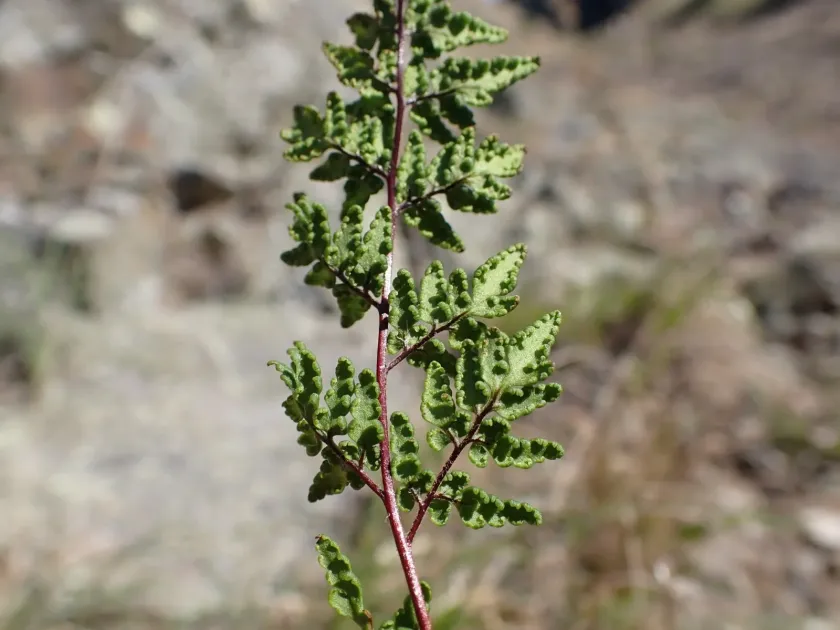
Description
Sowing dates
Propagation of Cheilanthes sieberi is typically achieved through division of the rhizomes, which is best performed in early spring before the new growth starts.
When propagating via spores, they should be sown on the surface of a sterilized, moist, and well-draining peat-based medium.
Consistency in moisture levels is critical during the initial stages of spore germination to prevent the drying out of the fragile prothalli.
New divisions should be kept in a protected environment until they establish a robust root system and demonstrate active leaf production.
Avoid excessive handling of the root ball to ensure the plant remains stable and can quickly adjust to its new growing container.
Growing requirements
As a member of the Pteridaceae family, this fern is native to Australia and is well-adapted to rugged, rocky terrains and varying light conditions.
It thrives in soils with high mineral content and excellent drainage, which prevents the moisture accumulation that causes root rot in many species.
While tolerant of dry conditions, the plant responds best to consistent light levels and protection from the harsh, direct sun in midday hours.
Environmental conditions should mimic its natural rocky habitat, prioritizing high airflow and temperate thermal conditions during the growing cycle.
Proper cultivation involves minimal disturbance to the plant structure, as it prefers to grow in stable, undisturbed clusters over long periods.
Main diseases and pests
The primary threat to the health of the plant is overwatering, which creates anaerobic soil conditions and invites pathogenic fungi and mold growth.
Spider mites are common pests that thrive in low-humidity environments, potentially causing yellowing and premature death of the fronds.
Scale insects can also infest the plant, causing physical damage and stunted growth due to the extraction of essential plant sap and nutrients.
Regular sanitation of the growing area and removal of senescent fronds is essential for preventing the buildup of potential disease vectors.
Integrated pest management should be used to protect the fern, avoiding harsh chemical treatments that can damage the delicate plant tissue.