
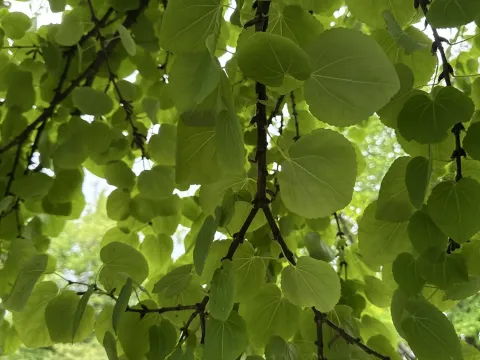
Katsura tree
Cercidiphyllum
The Katsura tree (Cercidiphyllum) is a genus of deciduous trees belonging to the monotypic family Cercidiphyllaceae. Originating from East Asia, specifically Japan and China, these trees are highly valued for their unique biological characteristics and aesthetic appeal in managed landscapes.
What the section contains

Katsura tree
Successful cultivation requires deep, fertile, and consistently moist soils with a slightly acidic to neutral pH level. As an agronomist, it is essential to highlight that drought stress is the primary limiting factor for healthy growth, necessitating advanced irrigation systems in dryer regions.
The species thrives in temperate climates, preferring sites with partial shade. While mature trees can withstand more exposure, young saplings are highly susceptible to leaf scorch from intense sunlight, requiring careful site selection and protection during the establishment phase.
Botanically, the tree is recognized for its heart-shaped leaves that turn vibrant yellow or orange in autumn, releasing a distinct fragrance often described as caramelized sugar. The root system is relatively shallow, which demands a cautious approach to mechanical cultivation near the base.
Economically, the Katsura tree is primarily utilized in the nursery industry and landscape architecture. Its wood, being fine-grained and durable, also holds value in high-end cabinetry and traditional woodworking, although the species is more commonly planted for its ornamental properties.
The primary health concerns for Cercidiphyllum include fungal leaf spots and powdery mildew, which flourish in environments with poor air circulation or excessive soil humidity. Maintaining proper tree spacing is a key preventative agronomic practice.
Common pests include aphids and spider mites, which can cause significant foliar damage during hot, dry summer months. Integrated Pest Management (IPM) strategies, including biological controls or targeted miticides, are recommended for maintaining tree vigor.
Voles and other small rodents often pose a threat to the bark of young trees during winter, which can lead to structural compromise. Implementing physical barriers around the lower trunks is a standard requirement for protecting saplings in woodland margins.
Verticillium wilt remains a severe pathogen threat that can cause sudden branch dieback and overall decline. It is critical to avoid planting Katsura in sites with a history of susceptible crops to ensure long-term survival of the trees.
Spring frost can damage emerging buds and tender new growth, reducing the tree's overall aesthetic value for the season. In frost-prone areas, site elevation and local microclimate management are critical components of a successful agronomic strategy.