
Katsura tree
Cercidiphyllum magnificum
Description
Growing requirements
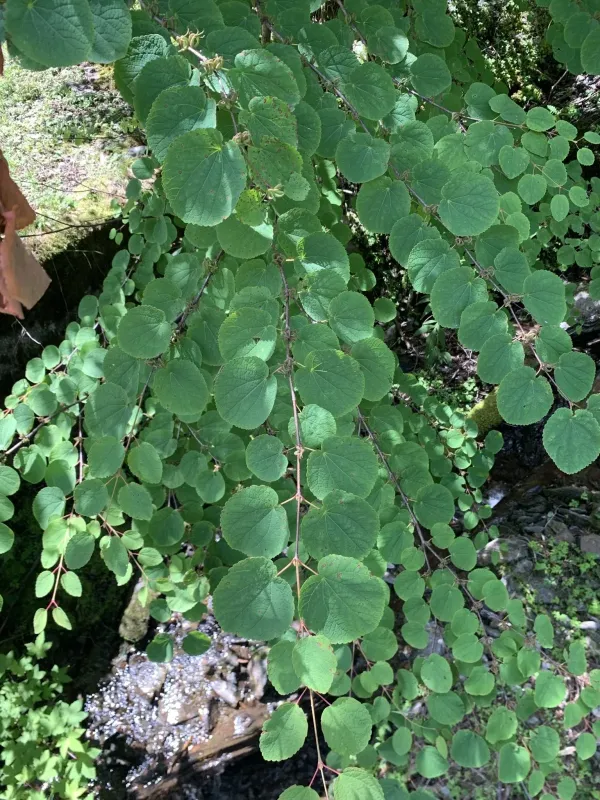
The Katsura tree (Cercidiphyllum magnificum) is a deciduous species within the Cercidiphyllaceae family, native to the mountainous regions of Japan. It is widely recognized for its beautiful heart-shaped foliage and distinctive habit.
The culture requires rich, moist, and well-drained soil with a slightly acidic to neutral pH. It does not tolerate prolonged drought or waterlogged soil, which makes careful soil preparation essential before planting.
Regarding climate, the tree thrives in temperate regions with reliable rainfall. It is best suited for sites that provide protection from drying winds and harsh afternoon sun, which can scorch the delicate leaves during the peak of summer.
Agrotechnical maintenance focuses on providing adequate irrigation, especially during the first years of establishment. Applying mulch helps maintain soil moisture levels and protects roots from extreme temperature fluctuations.
In terms of usage, the Katsura tree is a premier choice for ornamental landscapes. Beyond its aesthetic value, the wood is sometimes used in specialized woodworking due to its fine texture and workability.
Main diseases and pests
The species is generally robust and free of major pests or diseases. However, root rot remains a potential threat if the planting site lacks proper drainage, leading to water accumulation around the root crown.
Pests such as aphids or spider mites can occasionally affect the foliage, particularly if the tree is stressed by environmental factors like drought. Monitoring the undersides of the leaves is a recommended practice.
Frost damage during the early spring is a risk in some climates, as late frosts can kill off the emerging buds. Using protective frost blankets during unexpected temperature drops is a common protective measure.
Maintaining proper air circulation through periodic thinning of the canopy helps reduce the humidity around the leaves, thereby discouraging the development of fungal infections.
Integrated pest management, including regular sanitation and fertilization, ensures the plant maintains its vigor and resistance to pathogens. Healthy trees demonstrate superior foliage quality throughout the growing season.