
Neglected chestnut
Castanea neglecta
Description
Growing requirements
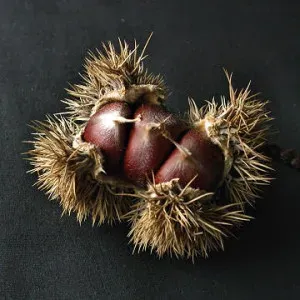
The neglected chestnut (Castanea neglecta) is a distinct species belonging to the Fagaceae family. It is recognized as a hybrid between the American chestnut and the chinkapin, combining the resilience of both parent species and exhibiting specific ecological adaptations.
Originating from the eastern United States, this species is naturally found in temperate forest regions. In agricultural settings, it is often utilized for its ability to thrive in varied habitats, ranging from mountain slopes to well-drained lowland forests.
The crop thrives in slightly acidic to neutral, deep, and well-drained loamy soils. It is highly sensitive to waterlogged conditions, which can lead to root system decay and significantly reduce the overall vitality and growth rate of the tree.
Climate requirements for this species include sufficient annual rainfall and temperate seasons. While it can withstand moderate frost, extreme shifts in temperature during the early spring growth phase may cause damage to developing flower buds.
Field management involves proper spacing to ensure adequate airflow and sunlight penetration. Regular monitoring for soil nutrient levels is essential, as the species responds well to balanced nitrogen and potassium fertilization during the active growing season.
Main diseases and pests
The most devastating threat to Castanea neglecta is chestnut blight, caused by the fungus Cryphonectria parasitica. This pathogen infiltrates the bark, creating cankers that eventually girdle the branches or main stem, leading to tree death.
Insect pests such as the chestnut gall wasp represent a significant challenge for growers. By laying eggs in the buds, these insects cause abnormal growth formations, which directly suppress nut production and stunt tree development.
Leaf blight and various powdery mildew species may also occur, especially in orchards where density is too high or environmental conditions promote excess moisture. These pathogens reduce the tree's photosynthetic capacity.
Integrated pest management strategies are crucial, including the physical removal of diseased wood and the application of targeted fungicides during high-risk periods of fungal spore dispersal.
Sustainable orchard practices often involve maintaining healthy biodiversity within the plot to encourage natural predators, which can help manage pest populations without excessive reliance on chemical control methods.