
Alabama chestnut
Castanea alabamensis
Description
Growing requirements
The Alabama chestnut (Castanea alabamensis) is a rare deciduous tree species belonging to the Fagaceae family. Native to the southeastern United States, particularly Alabama, it thrives in specific forest ecosystems characterized by unique soil compositions.
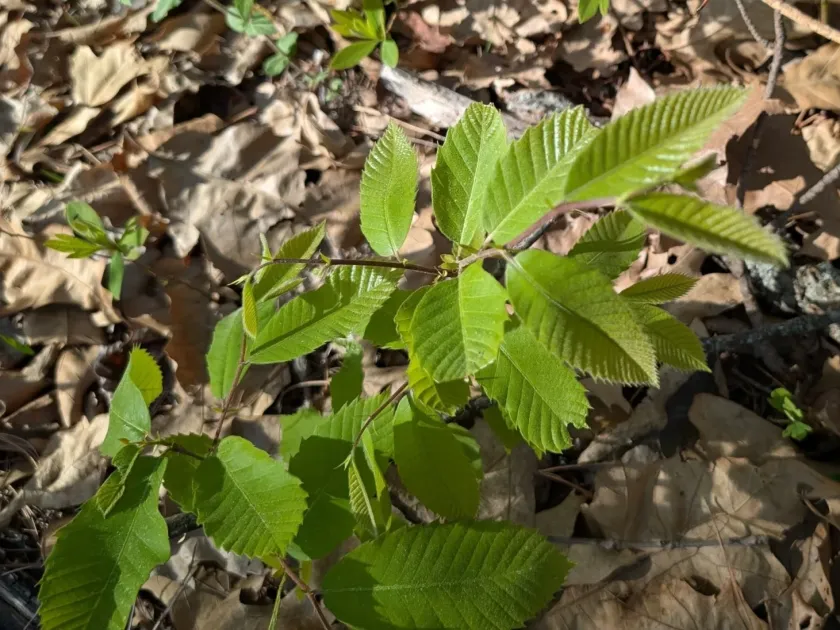
Botanically, it shares evolutionary traits with other American chestnuts, but its specific adaptation to its local environment makes it a valuable subject for conservation and scientific research. The tree features typical serrated leaves and produces nuts encased in spiny burs.
For successful cultivation, well-drained, slightly acidic sandy loam soils are required. The species is highly sensitive to waterlogged conditions, making site selection on slopes or elevated areas essential for preventing root-related physiological disorders.
Climatic requirements involve moderate rainfall throughout the growing season and protection from extreme temperature fluctuations. Although native to subtropical climates, proper site preparation can help the tree adapt to a wider range of conditions.
Cultural management includes regular mulching of the root zone to maintain soil moisture levels and suppress weed competition. Periodic application of organic fertilizers is recommended during the early growth stages to ensure vigorous canopy development.
Main diseases and pests
The primary threat to the Alabama chestnut is chestnut blight, caused by the fungus Cryphonectria parasitica. This disease can be devastating to species in the Castanea genus and requires rigorous orchard management and monitoring.
Root rot pathogens represent another significant risk, often exacerbated by poor soil drainage. Keeping the root crown free of excessive soil and organic debris is a critical preventative measure against these fungal infections.
Pests such as chestnut weevils can cause substantial damage to the nut crop if left unmanaged. Utilizing pheromone traps and maintaining orchard hygiene can help mitigate the impact of these infestations during the ripening stage.
Sanitation practices, including the removal and destruction of infected wood, are crucial for disease management. Pruning tools must be thoroughly disinfected after use on each tree to prevent the spread of fungal spores.
Integrated pest management strategies should be employed to maintain tree health and resilience. Regular scouting for early signs of lesions on the bark or discoloration of foliage is vital for early intervention.