
Chestnut hybrids
Castanea hybrids
Description
Sowing dates
Chestnut hybrids are typically propagated through grafting to preserve the characteristics of superior cultivars, ensuring consistent yield and tree health.
The optimal time for planting young trees is during the dormant season, either in early spring as the soil warms up or in late autumn before the ground freezes.
Proper site preparation is essential, involving deep plowing and soil amendment to ensure adequate drainage, as the roots are prone to rotting in waterlogged conditions.
Spacing must be carefully calculated based on the specific hybrid vigor, with distances typically ranging from 8 to 12 meters to allow for canopy expansion and light penetration.
When starting from seeds, nuts require a period of stratification in moist sand at low temperatures to break dormancy and trigger successful germination in spring.
Growing requirements
Chestnut hybrids thrive in deep, well-drained, acidic to neutral soils with a pH range ideally between 5.0 and 6.5 for optimal nutrient availability.
They require sunny locations with protection from prevailing strong winds that can damage blossoms and young foliage, negatively impacting overall fruit set.
Regular water management is crucial during the critical stages of flower development and nut sizing, especially in areas prone to seasonal summer droughts.
As deciduous trees, these hybrids require a period of winter dormancy, though they show increased cold hardiness compared to traditional European chestnut varieties.
Fertilization regimes should be balanced, focusing on nitrogen in early spring to support vegetative growth and potassium to improve nut filling and tree vigor.
Yield
Hybridization significantly accelerates the onset of production, allowing growers to see the first harvest within 3–5 years of planting, compared to much longer waits for species trees.
Yields increase steadily as the orchard matures, with mature trees capable of producing significant annual harvests when managed with proper pruning and pest control.
Orchards must include multiple compatible varieties to ensure cross-pollination, which is a vital prerequisite for maximizing the quantity and size of the nuts produced.
Pruning is an essential cultural practice to remove interior shaded branches, thereby increasing sunlight penetration and promoting better airflow throughout the canopy.
Proper thinning of heavy clusters can sometimes improve the individual size of the nuts, making the product more appealing for fresh market sales.
Main diseases and pests
Chestnut blight, caused by the fungus Cryphonectria parasitica, remains the most significant threat, necessitating the use of blight-resistant hybrid cultivars for successful orchard longevity.
The chestnut gall wasp is a destructive pest that forms galls on shoots, severely inhibiting growth and reducing the nut crop capacity if left unmanaged.
Integrated pest management (IPM) strategies, including biological control agents and targeted chemical applications, are essential to minimize damage from various nut weevils.
Poor orchard sanitation, such as failing to remove infected limbs or clearing fallen leaves, can lead to the persistence of fungal pathogens and increased pressure from pests.
Early detection of symptoms on the bark, leaves, or shoots allows for timely intervention, such as pruning or specific treatments to prevent wider orchard contamination.
Harvesting
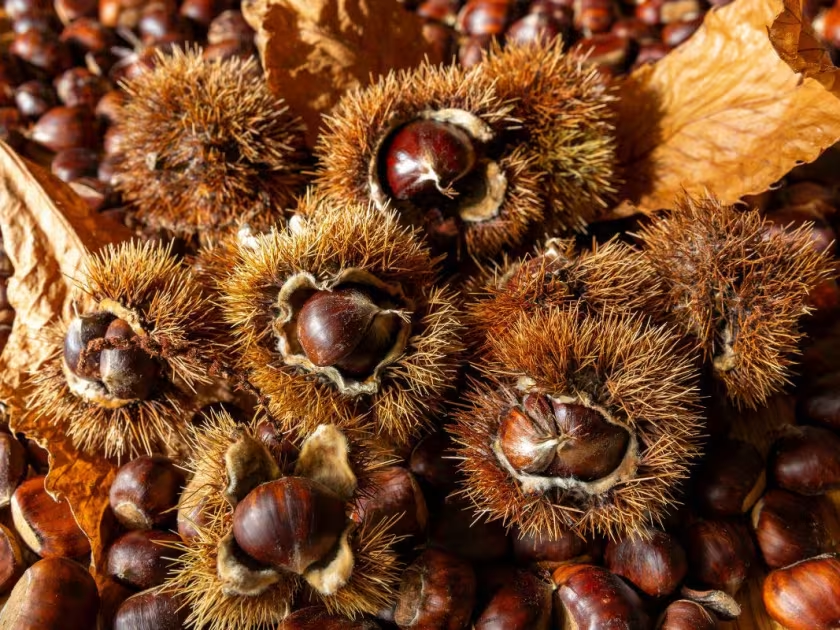
Harvest occurs when the spiky burs turn brown and split open, naturally dropping the mature nuts onto the orchard floor for collection.
Speed is critical during the harvest window, as nuts left on the ground for too long are highly susceptible to spoilage, mold, and attacks from rodents or insects.
Collected nuts should be immediately sorted to remove debris and damaged fruit, followed by a curing process to reduce surface moisture for better storage.
Proper storage involves keeping the nuts in well-ventilated containers at low, stable temperatures to prevent the kernels from drying out or becoming rancid.
Standardized post-harvest handling ensures that the chestnut hybrids maintain their quality and shelf life, meeting the requirements of retailers and final consumers.