
Henry's chestnut
Castanea henryi
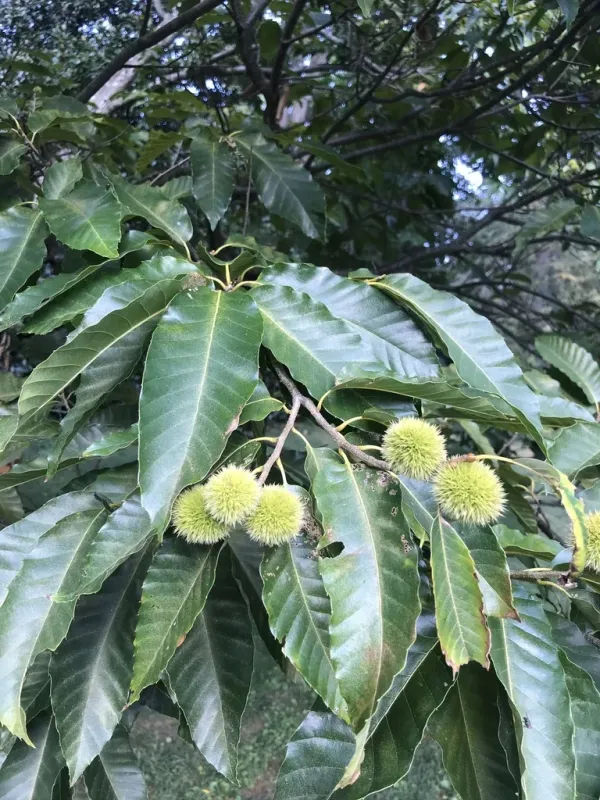
Description
Growing requirements
Henry's chestnut (Castanea henryi) is a deciduous tree belonging to the Fagaceae family, native to the mountainous regions of central and eastern China. The species thrives in temperate, humid climates and prefers well-drained, slightly acidic soils enriched with organic matter.
The tree is recognized for its slender, upright growth habit, typically reaching heights of 20 to 25 meters in mature stages. A distinct botanical characteristic of this species is its relative tolerance to shade, which allows it to develop in environments where other chestnut species might struggle due to insufficient light.
Successful cultivation requires shelter from strong winds and severe winter frosts, as young specimens are sensitive to significant temperature fluctuations. The optimal temperature range for active vegetation is between +18°C and +25°C.
Soil management must ensure a robust humus layer and excellent drainage, as waterlogging is detrimental to the tree's root system. Regular mulching around the base is highly recommended to preserve moisture levels and mitigate soil overheating during peak summer months.
In terms of economic utility, Henry's chestnut is highly valued for its durable and decay-resistant wood, which is utilized in high-quality furniture construction and general timber products. The tree produces edible nuts that have been historically consumed in its native geographic regions.
Main diseases and pests
The most significant threat to the culture is the chestnut gall wasp, which can significantly reduce the vitality and yield of the tree. Furthermore, vigilance against Phytophthora, a pathogen that attacks the root collar when drainage is insufficient, is essential for maintaining a healthy orchard.