
Cassinia retorta
Cassinia retorta
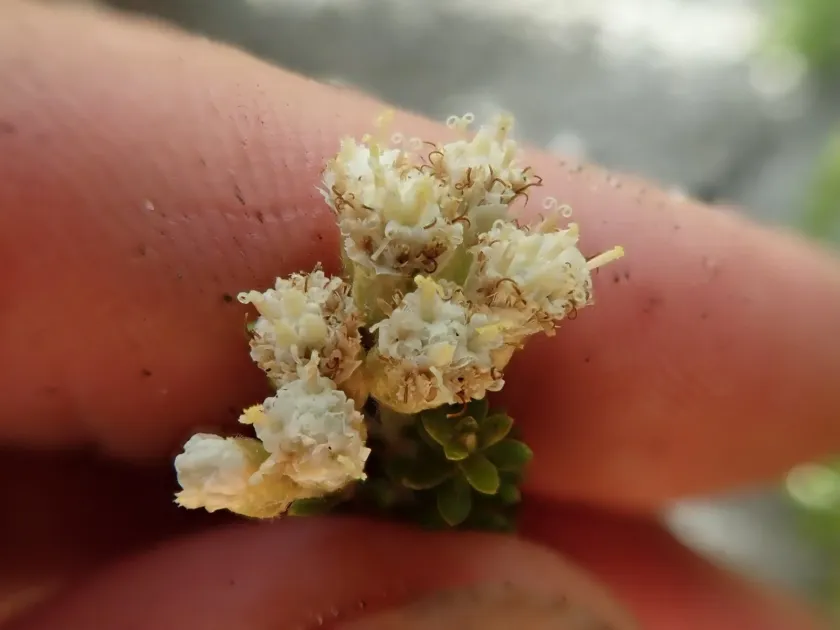
Description
Growing requirements
Cassinia retorta, commonly known as coastal cottonwood or shore cassinia, is a resilient evergreen shrub belonging to the Asteraceae family. Native to New Zealand, this species has evolved to thrive in harsh coastal environments characterized by constant wind and salt spray.
Botanically, the plant is distinguished by its silvery-white tomentose foliage. This dense covering of hairs is an evolutionary adaptation that reflects sunlight and reduces transpiration, enabling the plant to survive in arid and exposed locations.
The cultivation of this species requires well-drained, sandy or gravelly soil conditions. It performs poorly in heavy, waterlogged clays, as stagnant moisture quickly leads to root hypoxia and subsequent decline of the plant structure.
As a light-loving species, it demands full sun exposure to maintain its compact, tangled growth habit. In shaded environments, the plant tends to become leggy and loses the dense, woolly appearance that is characteristic of its natural state.
In terms of practical utility, Cassinia retorta is widely employed in coastal stabilization projects. Its root system is exceptionally effective at binding loose, sandy soils, providing a natural barrier against wind erosion in coastal landscapes.
Main diseases and pests
The primary threats to Cassinia retorta are moisture-related pathologies. Fungal pathogens, particularly those responsible for Phytophthora root rot, pose the most significant risk when soil drainage is compromised.
Powdery mildew may occur during periods of high humidity and stagnant air. Management strategies include ensuring adequate spacing between plants to promote airflow and keeping the foliage as dry as possible during irrigation.
While the plant is naturally resistant to many common agricultural pests, scale insects or aphids can occasionally colonize young growth. Regular inspection is recommended to ensure that early infestations are managed before they spread.
Chemical control should be considered a last resort. Integrated pest management, focusing on habitat optimization and mechanical removal of infected branches, is generally sufficient to maintain healthy shrub populations.
Proper plant hygiene, including the removal of dead or rotting material from the base of the shrub, is essential. Maintaining a clear area around the root crown prevents the buildup of organic matter that can harbor fungal spores.