
Cassinia arcuata
Cassinia arctuata
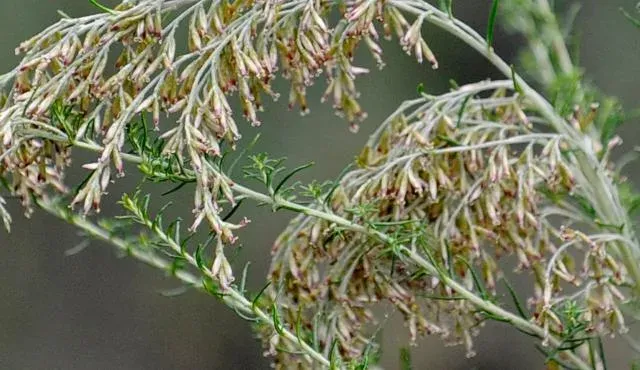
Description
Growing requirements
Cassinia arcuata, commonly known as drooping cassinia, is a perennial shrub belonging to the Asteraceae family. It is native to the diverse landscapes of Australia and is well-adapted to harsh environmental conditions.
The plant thrives in full sun exposures and requires well-drained soil to prevent root issues. It is highly valued for its ability to flourish in rocky or sandy substrates where nutrients are limited.
In terms of moisture, this species is exceptionally drought-tolerant. Once established, it requires little to no supplemental watering, making it a perfect candidate for water-wise gardening.
The climatic preferences include warm, temperate regions. While it is hardy in its native habitat, extreme frost can damage the foliage, requiring appropriate protection in cooler northern zones.
General maintenance involves light pruning to manage the size and shape of the shrub, ensuring that dead wood is removed to encourage new growth during the spring season.
Main diseases and pests
The most significant threat to Cassinia arcuata is root rot, which typically occurs when the plant is grown in heavy, waterlogged soils or areas with poor air circulation.
Fungal diseases are rarely an issue unless the cultural conditions are ignored. Proper drainage is the most effective preventative measure against these types of infections.
Insect pests, including aphids and spider mites, can occasionally affect the plant during prolonged dry spells when the plant's natural defenses are slightly weakened.
Vigilance is required during humid summers, as excessive ambient moisture combined with lack of airflow can promote the development of powdery mildew on the leaves.
Monitoring the plant regularly and providing a balanced ecosystem around the shrub helps in keeping pest populations low without the need for intensive chemical applications.