
Cassinia fulvida
Cassinia fulvida
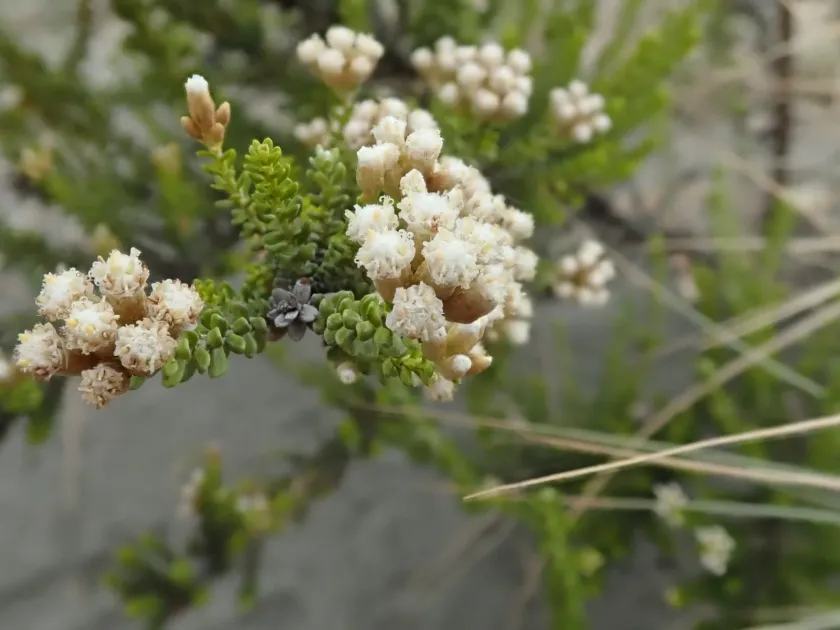
Description
Sowing dates
Propagation of Cassinia fulvida is typically performed by sowing seeds during the spring season once the soil has warmed up sufficiently. Late April or early May is the ideal time for direct outdoor sowing.
For more predictable results, the seedling method can be used by sowing seeds in containers during March. Seeds should be surface-sown and lightly covered with sand, as light is beneficial for their germination process.
Once the seedlings have developed at least two true leaves, they should be pricked out into individual pots. Maintaining adequate light levels is crucial during this stage to ensure strong, healthy growth.
The hardening-off process is essential before transplanting the seedlings to their permanent location in the garden, which should be done only after all risks of frost have passed.
Alternatively, vegetative propagation can be achieved using semi-hardwood cuttings taken in late summer, which should be rooted in a greenhouse environment.
Growing requirements
Cassinia fulvida belongs to the Asteraceae family and is native to New Zealand. It is an evergreen shrub characterized by its unique golden-yellow foliage and clusters of small creamy flowers.
This species thrives in sunny, well-lit positions that offer protection from cold and drying winds. Lack of sunlight will cause the plant to lose its vibrant golden color.
The plant requires well-drained, fertile soil. Whether sandy or loamy, the primary concern is preventing waterlogging, which the plant cannot tolerate.
It prefers neutral to slightly acidic soil conditions to ensure optimal nutrient uptake and general health throughout the growing season.
While relatively hardy, the plant may require winter protection in colder climates to prevent damage from severe frost and freezing temperatures.
Main diseases and pests
Cassinia fulvida is generally considered a low-maintenance plant with high natural resistance to many common garden diseases and pests.
The most significant threat to the plant's health is poor drainage, which can lead to root rot and other fungal issues if the soil remains constantly soggy.
In crowded or poorly ventilated conditions, the plant may become susceptible to powdery mildew, requiring proper pruning to increase airflow within the canopy.
Occasional infestations of aphids or spider mites can occur, particularly during hot and dry summer months when the plant is stressed.
Regular monitoring and preventative pruning of dead or diseased branches help maintain a vigorous plant and reduce the likelihood of pest outbreaks.