
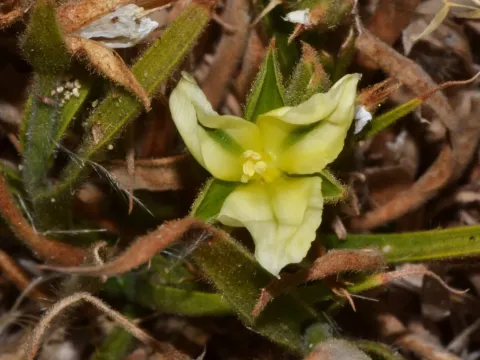
Cartonema
Cartonema
Cartonema is a genus of perennial herbaceous plants belonging to the family Commelinaceae. These plants are known for their distinct morphological features that allow them to thrive in specific, often harsh, environmental niches primarily located in the Southern Hemisphere.
What the section contains

Cartonema
The origin of the genus is centered in Australia and New Guinea. It is typically found in open habitats, including scrublands and forests, where it has adapted to nutrient-poor soils and variable rainfall patterns common to these regions.
Botanically, Cartonema species are characterized by glandular hairs on their stems and leaves, which contribute to their unique appearance. They usually feature a basal rosette of leaves and produce vibrant yellow flowers that stand out from other Commelinaceae members.
Regarding cultivation requirements, the plant demands high levels of sunlight and exceptionally well-drained soil. It is naturally drought-tolerant and performs best in environments where moisture levels are not excessive, as the root systems are sensitive to waterlogging.
While Cartonema is not currently utilized as a mainstream commercial crop, it holds scientific significance in botany and potential for specialized ornamental gardening. Its evolutionary adaptations make it a subject of interest for those studying xerophytic plant life.