
Cartonema parviflorum
Cartonema parviflorum
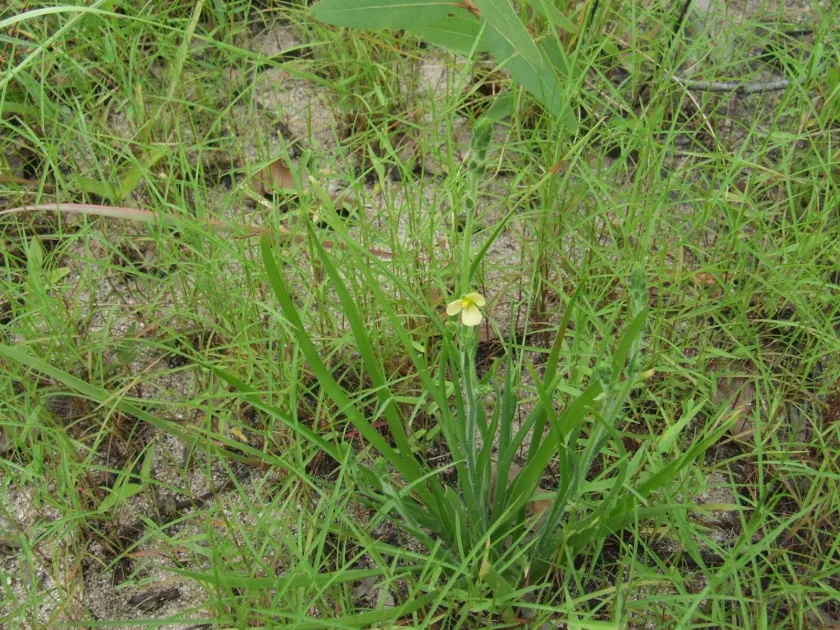
Description
Growing requirements
Cartonema parviflorum is a herbaceous perennial plant belonging to the Commelinaceae family. While not a conventional agricultural crop, it remains a plant of interest due to its unique biological adaptations and specific ecological niche in its native environment.
Botanically, the plant features narrow, grass-like foliage arranged in a rosette, from which flowering stems emerge. The flowers are relatively small compared to other members of the Commelinaceae family, exhibiting a subtle beauty that characterizes this species.
The origin of this species is primarily centered in Australia, where it has evolved to survive in environments subject to seasonal rainfall and prolonged periods of drought. This evolutionary history makes it highly resilient to harsh climatic conditions.
Regarding soil requirements, Cartonema parviflorum thrives in well-drained, sandy, or stony substrates. It is extremely sensitive to waterlogging, and proper drainage is the most critical factor for successful cultivation and root health.
The plant demands high levels of solar radiation to maintain its metabolic functions and reproductive health. Inadequate light levels will lead to etiolation, reduced vigor, and a failure to produce flowers, making site selection crucial.
Main diseases and pests
The most significant threats to the survival of the plant include fungal pathogens triggered by poor soil aeration and excessive moisture. Root rot is the primary cause of decline, emphasizing the need for a strict watering regime.
Pests such as spider mites can pose a risk, especially in low-humidity environments. These pests feed on the cellular sap of the leaves, causing them to lose their vibrant green color and eventually wither if left untreated.
Aphids represent another common pest for this species, often clustering on the soft tissues of the flowering stalks. Early intervention with suitable horticultural soaps or biological control agents can effectively manage infestations.
Weed interference is a major issue during the initial growth stages. Because the plant has a slow initial growth rate, it can easily be overwhelmed by faster-growing vegetation if the surrounding area is not kept clean.
Environmental stress, such as extreme temperature fluctuations combined with high humidity, can also make the plant more susceptible to opportunistic infections. Monitoring the plants during seasonal transitions is highly recommended.