
Carpobrotus edulis
Carpobrotus edulis
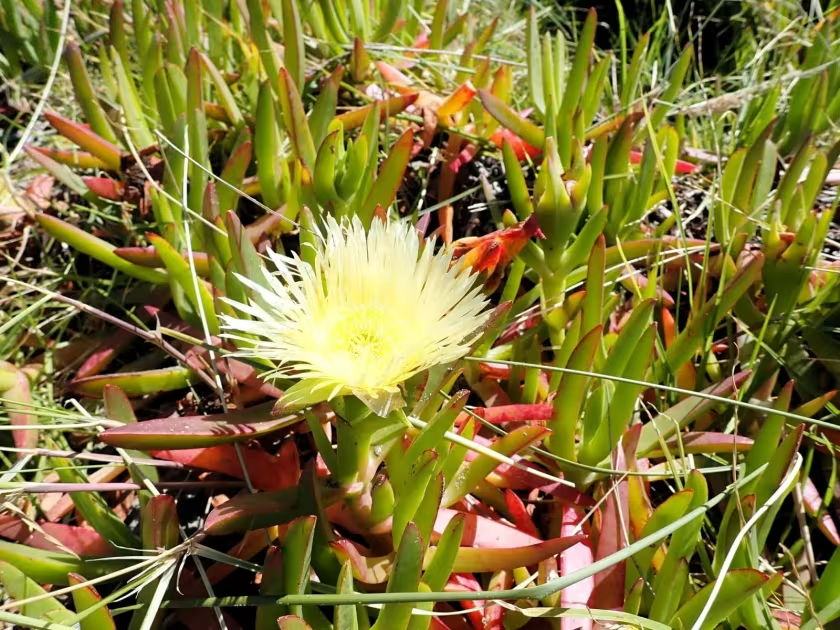
Description
Sowing dates
Propagation of Carpobrotus edulis is primarily achieved through vegetative methods. Stem cuttings are the most reliable and efficient way to expand plantations or garden areas.
The ideal time for taking cuttings is during the active growth phase, typically from late spring through early summer. Cuttings should be 10–15 cm long and dried for a few days to callus.
Cuttings are planted directly into well-draining sandy or gritty soil. They root rapidly when provided with sufficient sunlight and moderate moisture during the initial establishment period.
Seed propagation is less common as it requires specific moisture and temperature controls, with seeds needing a stable environment between 20–25 degrees Celsius to germinate effectively.
When establishing plants in the field or on slopes, spacing should be set at approximately 50–60 cm apart to allow for the plant's rapid spreading nature and dense growth habit.
Growing requirements
Carpobrotus edulis is a member of the Aizoaceae family, commonly known as the ice plant. Originating from South Africa, it is highly adapted to arid environments and intense sunlight.
This crop requires full sun exposure to thrive. Shade leads to etiolation, where the plant becomes leggy, loses its dense rosette form, and significantly reduces its flowering and fruit production.
Soil requirements are minimal; the plant flourishes in poor, sandy, stony, or even saline soils. The critical factor is excellent drainage, as standing water will cause root rot almost immediately.
The optimal temperature for growth ranges from 15 to 30 degrees Celsius. As a succulent, it is highly drought-tolerant and stores water in its thick, fleshy leaves to survive dry periods.
In regions with harsh winters, this plant is not hardy. It requires protection from frost, as temperatures dropping below -5 degrees Celsius can cause severe damage or death to the plant tissue.
Yield
The primary agricultural utility of Carpobrotus edulis is its edible fruit, which has a sweet flavor and a texture similar to figs. Yield depends on the age of the plant and sunlight exposure.
Fruits are harvested as they ripen, signaled by the skin turning from green to yellowish or pink. A ripe fruit is soft to the touch and detaches easily from the stem.
The leaves are also edible and often used in salads, providing a crunchy, slightly salty profile. They are also valued in folk medicine for their anti-inflammatory and antiseptic properties.
This crop is extensively used in land management as a ground cover. Its ability to colonize large areas quickly makes it an excellent choice for erosion control on sandy dunes and coastal slopes.
Ongoing research into the chemical composition of the plant suggests potential for broader pharmaceutical use, further increasing the value of this hardy, productive crop.
Main diseases and pests
Mealybugs are the most common pests affecting Carpobrotus edulis. They hide in the axils of the fleshy leaves, sucking sap and causing the plant to lose vigor over time.
Root rot is the most serious threat, typically caused by overwatering or poorly drained soil. It acts quickly, often destroying the root system before outward signs of distress are visible.
Aphids can occasionally attack flower buds and tender shoots, leading to stunted growth. Monitoring the plants during the flowering season is essential to prevent large-scale infestations.
High humidity and poor air circulation can promote fungal leaf spots. Keeping the planting area well-ventilated and ensuring the soil surface dries between waterings is vital for health.
Integrated pest management, including biological controls, is highly recommended to protect the crop without compromising the safety of the edible fruits and leaves.
Harvesting
Harvesting Carpobrotus fruit is a labor-intensive manual process. Because fruit maturation on a single plant occurs unevenly, multiple passes are required during the harvest season.
Harvesting should ideally be done in dry weather. Because the skin of the fruit is extremely delicate and prone to splitting, gentle handling is necessary to maintain quality.
Post-harvest shelf life is relatively short, so it is recommended to consume or process the fruits immediately. They can be dried or made into jams to preserve their sweet qualities.
Storage should be in a cool, dry place with excellent ventilation to prevent decay. Avoid stacking fruits deeply, as the weight can crush those at the bottom of the container.
Leaves harvested for culinary or medicinal use can be picked at any point during the growing season, selecting the healthiest, youngest foliage for the best taste and nutrient profile.