
Carpobrotus deliciosus
Carpobrotus deliciosus
Description
Growing requirements
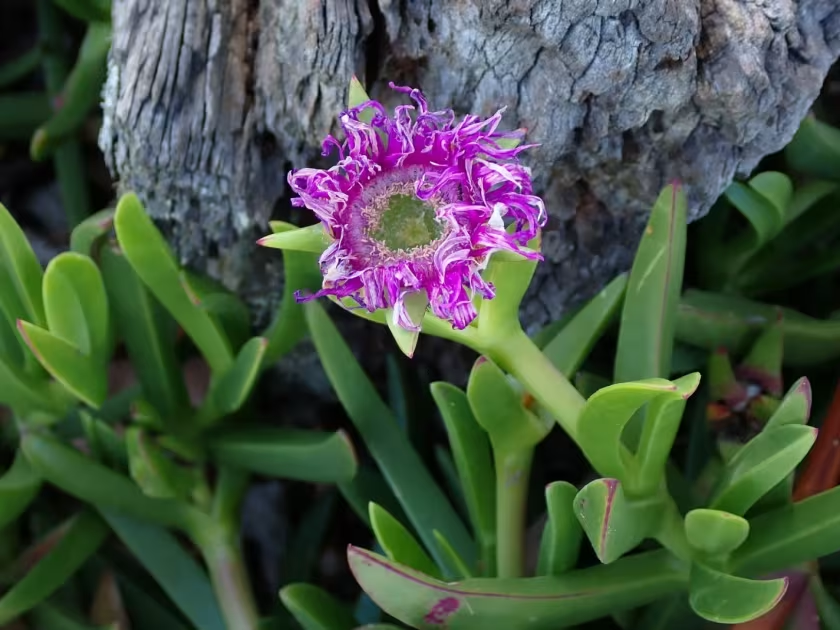
Carpobrotus deliciosus, commonly known as the succulent bush, is a hardy ground cover plant belonging to the Aizoaceae family. It is renowned for its ability to thrive in harsh coastal environments.
Originating from South Africa, this species is well-adapted to sandy, well-draining soils and high levels of solar radiation. It serves as an excellent stabilizer for loose soils in arid regions.
The plant requires full sun to maximize photosynthesis and promote flowering. Any restriction in light levels leads to weak stem growth and significantly reduces fruit set during the production season.
Soil structure should be primarily sandy or gritty. The plant does not tolerate heavy water retention, as its succulent tissues are prone to rapid rotting when exposed to prolonged damp conditions.
In terms of climate, it is a frost-sensitive plant. While it can withstand mild temperature drops, commercial production in temperate zones typically requires greenhouse protection during the winter months.
Yield
The plant is cultivated primarily for its sweet, fleshy fruits, which are traditionally consumed raw. The fruit has a unique texture and a pleasant flavor profile often compared to a mix of fig and strawberry.
Beyond food production, Carpobrotus deliciosus is utilized in landscaping for erosion control. Its dense, creeping mat habit effectively binds sand particles together.
Nutritionally, the fruit contains significant levels of sugars and antioxidants. These compounds make the crop a viable candidate for functional food markets and specialized culinary uses.
Productivity is highly correlated with the age of the plantation. Established mats, usually over two years old, provide the highest yield of fruits per square meter of coverage.
Regular maintenance, including the removal of dead foliage and moderate potassium-based fertilization, ensures sustained yields over multiple years of cultivation.
Main diseases and pests
The primary horticultural challenge is managing fungal pathogens such as Pythium or Phytophthora, which thrive in poorly drained soils. Improving soil aeration is the most effective preventative measure.
Pest pressure from mealybugs and spider mites is common in dry, indoor environments or regions with low atmospheric humidity. These pests tend to congregate in the leaf axils.
Scale insects can also be problematic, attaching themselves to the stems and leaves. If left untreated, they can cause yellowing and premature dropping of foliage.
Integrated Pest Management (IPM) strategies, including the use of horticultural oils and careful monitoring, are recommended to maintain plant health without damaging the delicate tissues.
Good sanitation practices, such as removing infested plant parts immediately, prevent the rapid spread of infections across the entire planting area.
Harvesting
Harvesting should occur only when the fruit reaches full maturity. A mature fruit displays a change in skin color and exhibits a soft, yielding texture when gently squeezed.
The fruits are extremely delicate and prone to bruising, which limits their shelf life. Consequently, they are usually consumed locally or processed immediately into jellies and jams.
The harvest season is progressive, requiring multiple visits to the plantation to collect fruits as they reach peak ripeness, ensuring the best flavor profile for the consumer.
Post-harvest handling requires gentle handling and cooling to maintain fruit integrity. Avoid stacking fruits in large piles to prevent mechanical damage and fermentation.
Proper harvest techniques involve clean cutting to avoid wounding the stem, which helps prevent entry points for potential pathogens after the crop has been gathered.