
Carolina allspice
Calycanthus floridus L.
Description
Growing requirements
Carolina allspice (Calycanthus floridus) is a deciduous shrub belonging to the Calycanthaceae family. It is native to the southeastern United States, where it thrives in shaded, moist woodlands and along streams, often forming dense thickets in its natural habitat.
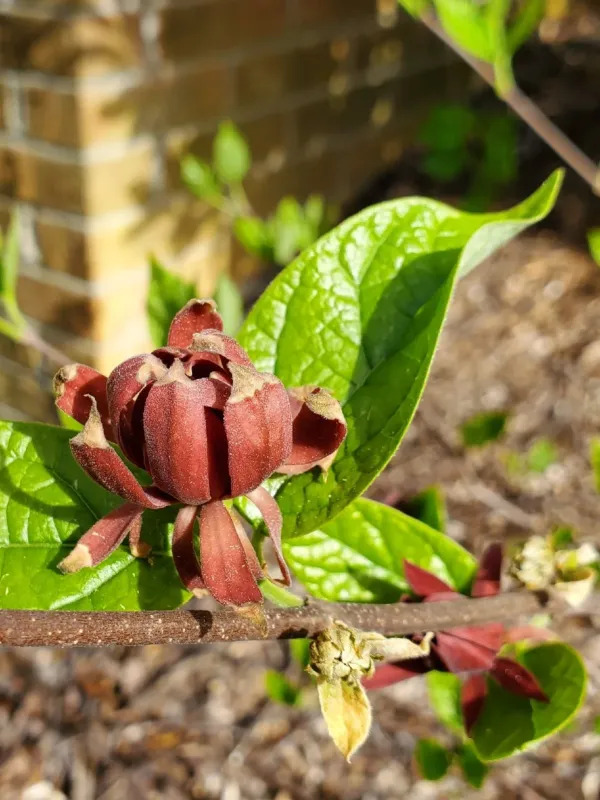
The plant is distinguished by its unique, dark maroon or brownish flowers that bloom in late spring. These flowers are highly valued for their complex fragrance, often described as a mix of strawberry, pineapple, and banana, which is produced by the essential oils within the petals.
To cultivate this shrub successfully, it requires fertile, loamy, and consistently moist soil. While the plant can tolerate a variety of soil types, it is essential to ensure adequate drainage to prevent waterlogging, which the plant does not tolerate well during dormant periods.
The ideal environment for this species is a site with partial shade, especially in hotter climates where direct afternoon sun might scorch the foliage. Regular mulching is recommended to keep the root zone cool and to maintain the soil moisture levels necessary for vigorous growth.
In terms of agricultural management, regular pruning is necessary to remove dead wood and maintain the desired shape of the shrub. As a slow-growing species, it does not require heavy fertilizing, but a light application of balanced compost in early spring supports healthy flowering cycles.
Main diseases and pests
Calycanthus floridus is notably resistant to most common pests and diseases, largely due to the aromatic oils found throughout its stems and leaves. This natural chemical defense makes it an excellent choice for low-maintenance garden settings and ecological landscape projects.
Potential threats are usually limited to environmental stress, such as extreme drought or waterlogged soil. In such cases, the shrub may become susceptible to opportunistic fungal infections, which are best managed by correcting the cultural conditions rather than resorting to chemical intervention.