
Western spicebush
Calycanthus occidentalis Hook. & Arn.
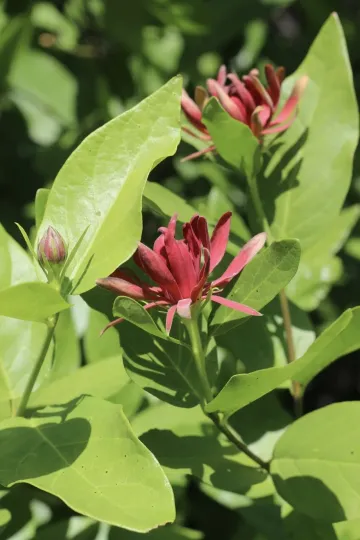
Description
Sowing dates
The propagation of Calycanthus occidentalis is primarily achieved through seeds or stem cuttings. Seed propagation requires a stratification process to break seed dormancy.
Sowing in autumn directly into prepared soil beds allows for natural stratification during the winter months, leading to better germination rates in the spring.
When starting seeds indoors, a cold stratification period of at least two to three months is essential for achieving successful seedling emergence.
Stem cuttings should be taken in late summer using semi-hardwood material. Applying rooting hormones helps ensure a higher success rate when placed in a high-humidity rooting medium.
Seedlings should be cultivated in a nursery environment for at least two growing seasons before being transplanted to their final permanent location to ensure sufficient root development.
Growing requirements
The Western spicebush belongs to the Calycanthaceae family and is native to the western regions of North America, favoring temperate climates and consistent moisture.
It thrives in nutrient-rich, well-draining loamy soils. While it can adapt to various soil types, maintaining a steady level of organic matter is beneficial for long-term health.
This species performs best in partial shade to full sun. However, in hotter climates, protection from the direct afternoon sun is recommended to prevent leaf scorch.
Adequate irrigation is crucial during the plant's establishment phase and throughout dry summer periods to prevent water stress, which can lead to reduced flowering.
Routine maintenance includes mulching to retain soil moisture and providing balanced nitrogen-phosphorus fertilizers during early spring to support vigorous annual growth.
Main diseases and pests
Western spicebush is generally robust and exhibits significant resistance to common plant diseases, making it a low-maintenance choice for many landscapes.
The most common issues arise from improper soil moisture management. Root rot can occur in poorly drained conditions, which is often fatal if not corrected quickly.
Occasional infestations of aphids or spider mites may occur on young shoots. These can typically be managed with mild horticultural oils or insecticidal soaps.
Regular pruning of diseased or dead wood is essential for maintaining plant vigor and preventing the spread of opportunistic fungal pathogens within the shrub canopy.
Monitoring the foliage for signs of chlorosis or leaf spot helps in early detection of potential nutrient deficiencies or fungal infections that require corrective action.