
Calycanthus chinensis x Calycanthus occidentalis
Calycanthus chinensis x Calycanthus occidentalis
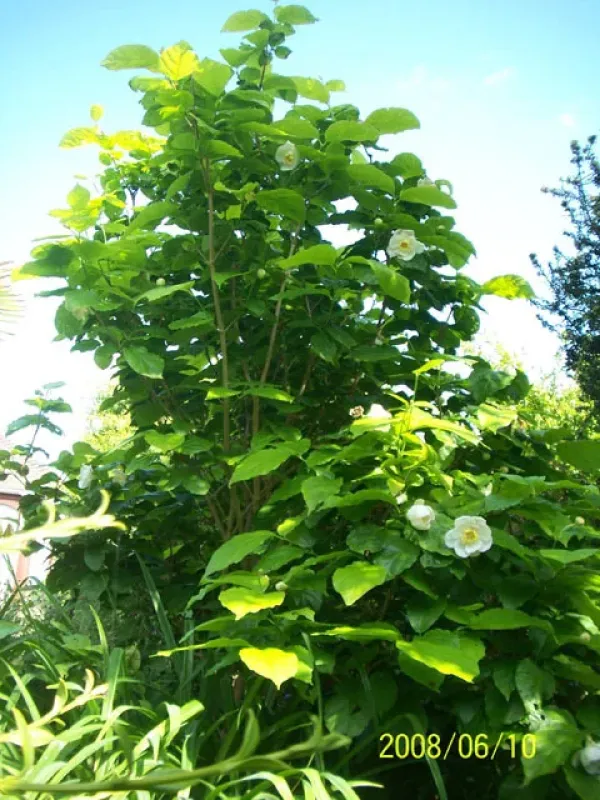
Description
Growing requirements
The Calycanthus chinensis x Calycanthus occidentalis is a remarkable hybrid shrub belonging to the Calycanthaceae family. It is prized by horticulturists for its distinctively large, complex flowers and its robust growth habit, which makes it a standout specimen in temperate garden landscapes.
Cultivation requires fertile, well-draining soil that is rich in organic matter. While the shrub is adaptable, it thrives best in locations where it can receive dappled sunlight, avoiding the harsh midday sun that can scorch its large, lush leaves and diminish the overall vibrancy of the foliage.
Water management is a cornerstone of the shrub's health. The root system is sensitive to waterlogging; therefore, consistent but moderate moisture is preferred. Integrating a drainage layer at the bottom of the planting hole is recommended for heavy or clay-based soils to ensure longevity and healthy root development.
Climate considerations are essential, particularly regarding hardiness. While the hybrid displays improved vigor, providing winter protection in colder regions is highly advisable. Applying a layer of mulch around the base and using horticultural fabric for younger plants can protect buds and stems from severe frost damage.
Regular maintenance includes light annual pruning to preserve the plant's structural integrity. Removing dead or crossing branches promotes better airflow, which is critical for reducing humidity levels within the canopy and supporting the plant's physiological processes throughout the growing season.
Main diseases and pests
Fungal diseases, including powdery mildew and various leaf spot pathogens, are the primary biological threats to this shrub. These issues are most prevalent when humidity is high and airflow is stagnant, necessitating strategic placement and thinning of the shrub's crown to maintain a healthy environment.
Pests such as aphids and spider mites may occasionally infest the plant, particularly during dry spells or heatwaves. Implementing an integrated pest management approach, including the use of neem oil or insecticidal soaps, is effective in keeping populations under control without harming beneficial garden insects.
Root rot is a major risk factor associated with poor soil drainage and over-irrigation. It is imperative to monitor the moisture levels of the soil and adjust watering schedules based on local rainfall patterns to prevent the root system from becoming overwhelmed by excessive moisture during the dormant season.
Mechanical damage to the bark or stems can serve as an entry point for opportunistic pathogens. It is recommended to perform all pruning tasks with sterilized tools and to apply protective sealants to larger cuts to ensure the plant remains resilient against potential bacterial or fungal infections.
Overall plant health is highly dependent on proactive monitoring. By identifying early signs of stress—such as yellowing leaves or stunted growth—gardeners can apply targeted treatments, thereby preventing the escalation of health issues and ensuring the hybrid thrives for years to come.