
Carolina allspice
Calycanthus floridus L. var. purpureus Boom
Description
Growing requirements
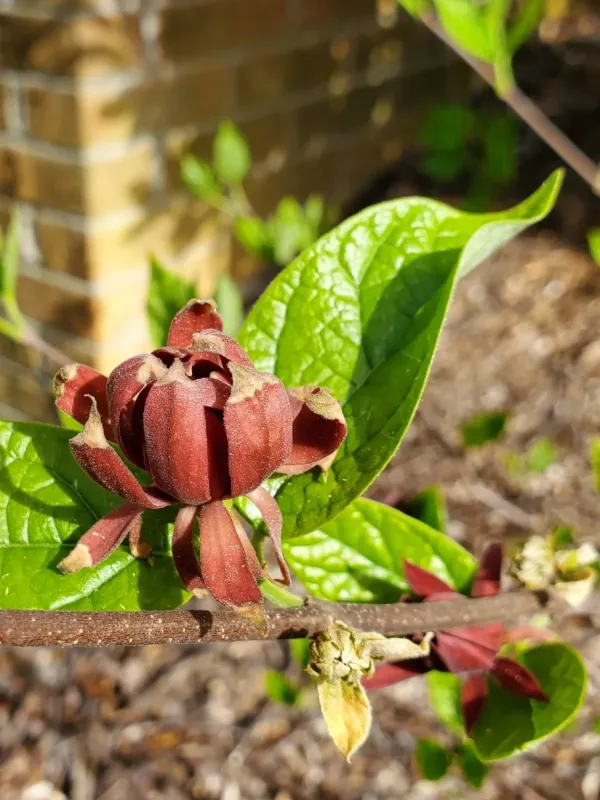
Carolina allspice is a deciduous shrub belonging to the Calycanthaceae family, renowned for its unique, fragrant, dark red flowers that add an exotic charm to any landscape design.
Originating from the southeastern United States, this species thrives in humid forest habitats, making moisture management a primary concern for successful cultivation in garden environments.
The plant performs best when situated in full sun to partial shade, where it receives sufficient light to support its bloom cycle while being shielded from harsh, drying winds.
Soil requirements include a rich, well-draining medium that retains consistent moisture, as the plant does not tolerate prolonged drought conditions, which can lead to premature leaf drop.
Maintenance practices involve annual light pruning after the flowering season to manage the shrub's architecture, ensuring a healthy density and promoting future flower bud development.
Main diseases and pests
Although generally robust, Carolina allspice can be susceptible to powdery mildew and various leaf spot diseases when grown in conditions with poor air circulation or excessive humidity.
Pest pressures are usually minimal, yet spider mites and aphids may appear during periods of drought or intense heat, potentially necessitating the use of horticultural oils or insecticidal soaps.
Root rot is the most significant threat to the plant's longevity, particularly in heavy soils that do not allow for rapid water drainage, requiring amendments like organic compost or sand.
Sanitation is key to disease prevention; gardeners should clear away fallen debris under the shrub to reduce the potential for fungal spores to overwinter in the soil and infect new growth.
Early intervention is recommended if signs of wilting or discoloration appear, as the plant's health is closely tied to the integrity of its root zone and consistent hydration levels.