
Chinese waxcup
Calycanthus chinensis (W. C. Cheng & S. Y. Chang) W. C. Cheng & S. Y. Chang ex P. T. Li
Description
Growing requirements
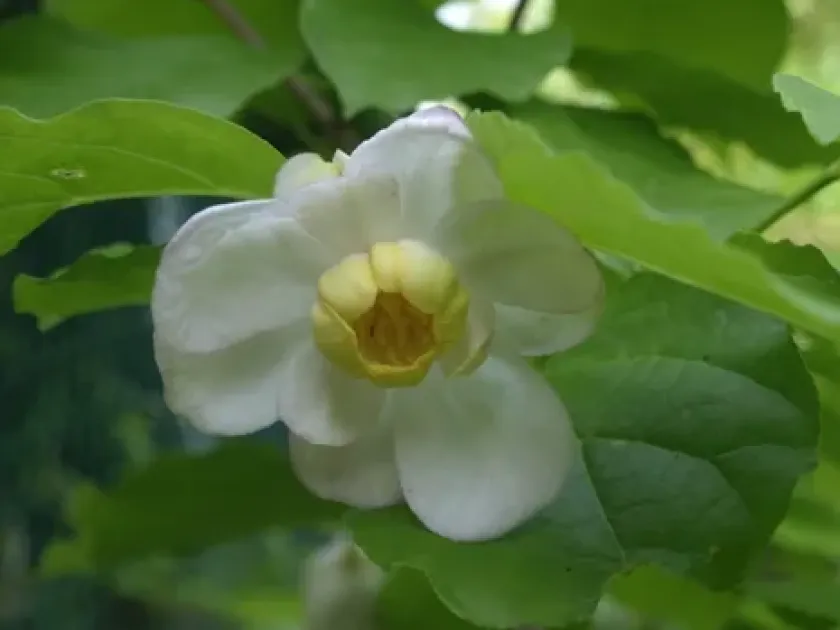
The Chinese waxcup (Calycanthus chinensis) is a deciduous flowering shrub belonging to the Calycanthaceae family. Originally found in the subtropical forests of China, it is prized for its large, bowl-shaped flowers that bloom in late spring and early summer.
The plant thrives in rich, slightly acidic to neutral, well-draining soils. It requires a location with partial shade, as intense direct sun can scorch the foliage during peak summer months. Consistent moisture is critical; however, the soil must not become waterlogged.
Cultivation success depends on providing a stable microclimate. In colder regions, planting near a south-facing wall or providing winter protection can help ensure survival. Mulching the base of the shrub helps maintain root moisture and protects against temperature fluctuations.
Standard horticultural practice involves annual fertilization with a balanced organic mix applied in the early spring. Periodic pruning should be conducted after flowering to maintain the desired shape and promote vigorous growth for the following season.
Due to its aesthetic appeal and unique floral structure, the Chinese waxcup is mainly used in landscape design as a focal point in shade gardens or woodland border plantings, adding significant botanical value to private and public parks.
Main diseases and pests
The Chinese waxcup is generally hardy but can be susceptible to environmental stressors. Root rot, caused by heavy, poorly drained soil, is the most common issue. Ensuring a proper drainage layer in the planting hole is essential for long-term health.
While the plant does not face severe pest pressure, aphids and spider mites may occasionally infest new growth during hot, dry spells. These pests are easily managed through routine monitoring and the use of insecticidal soaps or neem oil.
Fungal diseases, such as leaf spot, can occur if the humidity remains excessively high without proper airflow. Maintaining adequate spacing between plants and avoiding overhead watering helps to mitigate these risks significantly.
Winter injury can occur if the plant is not properly acclimated or if late spring frosts damage tender new growth. Protecting the plant during sudden cold snaps is a recommended practice to avoid long-term structural damage.
Always sterilize your pruning tools between uses to prevent the accidental transmission of pathogens, especially when working with specimens that show signs of previous health stress.