
Canna occidentalis
Canna occidentalis
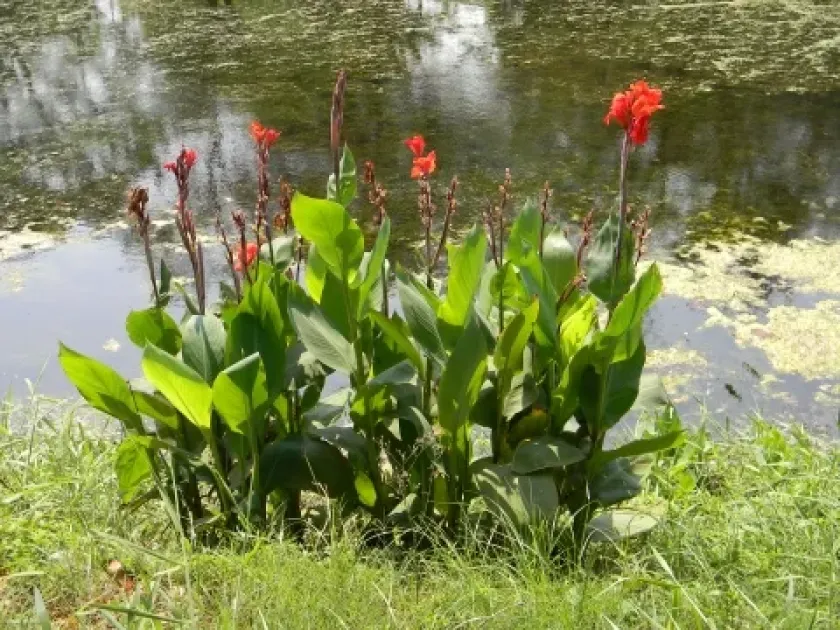
Description
Growing requirements
Canna occidentalis is a perennial herbaceous species belonging to the family Cannaceae. Known for its robust growth and tropical origin, this plant produces large, vibrant foliage and thrives in high-humidity environments.
The species is native to tropical regions of the Americas. Its natural habitat consists of wetlands, riverbanks, and marshy areas, which has dictated its physiological reliance on consistent moisture availability throughout its lifecycle.
Climate requirements for this culture are strictly tropical. It requires warm growing conditions with temperatures ranging from 22°C to 28°C. The plant is frost-intolerant, and its rhizomes must be protected or lifted in temperate zones to prevent cold-related death.
The ideal soil profile for Canna occidentalis is fertile, deep, and well-drained but moisture-retentive. It performs best in organic-rich soils with a slightly acidic to neutral pH, requiring regular supplementation with compost or NPK fertilizers.
Agricultural management focuses on irrigation and light management. The plant prefers full sun exposure to maintain its vigorous growth and optimal leaf coloration, although it can tolerate partial shade in extremely hot climates.
Main diseases and pests
The culture is susceptible to various fungal pathogens, most notably Rhizoctonia and various leaf spot diseases that thrive in poorly ventilated and waterlogged cultivation sites.
Viral pathogens, including the Canna Yellow Streak Virus, are a significant concern. These diseases are often transmitted by sap-sucking insects and can cause severe stunting and discoloration of the plant tissue.
Pests such as aphids and spider mites are common in greenhouse and field conditions. These pests thrive in dry environments and can cause direct tissue damage as well as facilitate the spread of viral infections.
Leaf-rolling caterpillars can cause severe defoliation, significantly reducing the photosynthetic capacity of the plant. Integrated Pest Management (IPM) practices are recommended to minimize the use of chemical pesticides.
Proper sanitation, including the removal of infected plant debris and the use of healthy rhizome stock, is the primary strategy for managing disease pressure in commercial plots.